

Is 2026 a good time to become a personal trainer?
Short answer: yes, if you understand how the industry is changing and prepare for it strategically.
The fitness industry is in the middle of a major transformation. Digital tools, hybrid coaching models, and shifting consumer expectations have reshaped what it means to be a successful trainer. This is no longer just a job that lives on a gym floor. It is a flexible, scalable career that blends coaching, technology, and entrepreneurship.
Whether you are graduating, changing careers, or looking to grow beyond one-on-one sessions, 2026 presents a unique opportunity for personal trainers. The trainers who succeed will be those who understand the trends defining the industry and build their businesses accordingly.
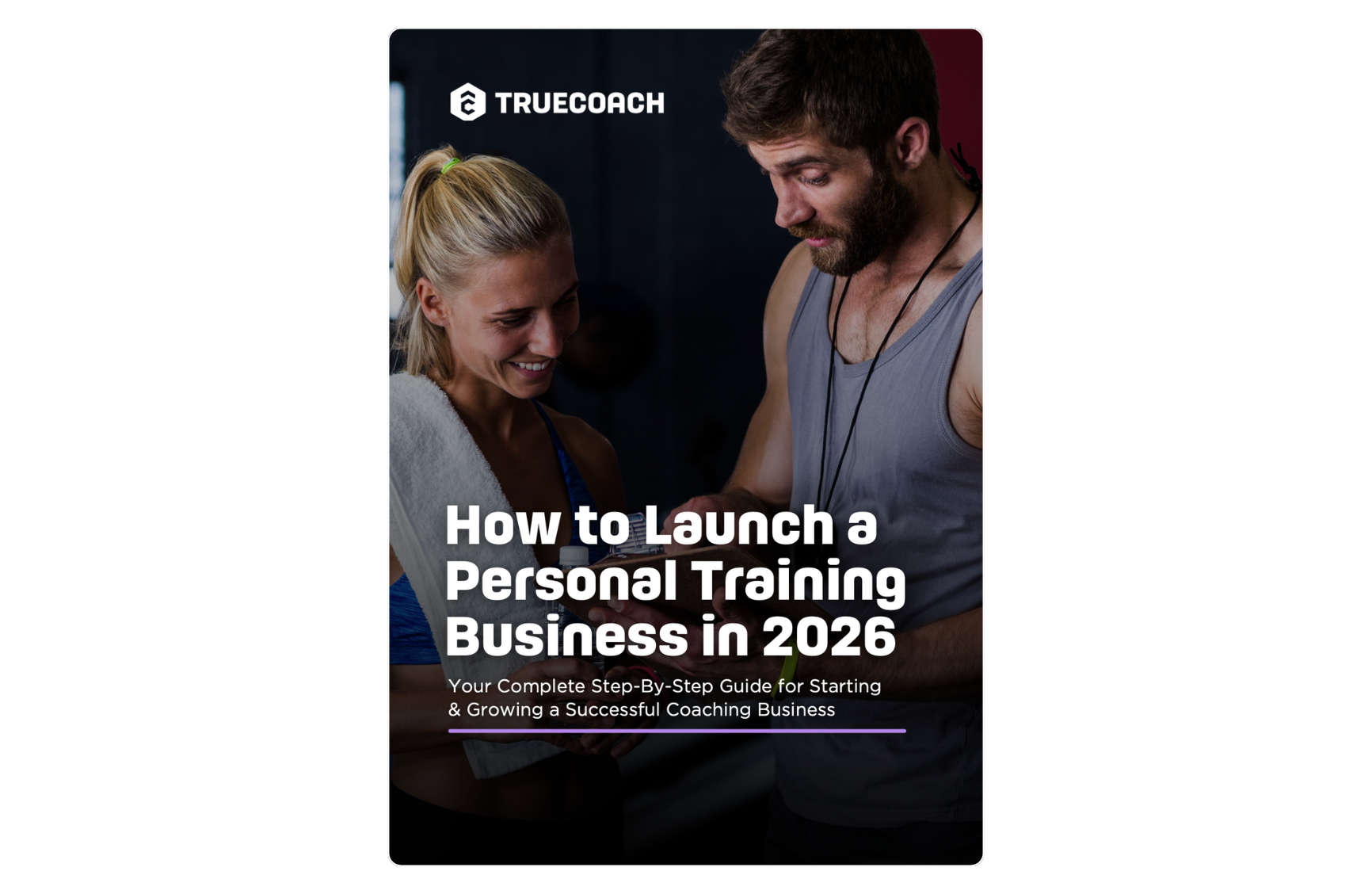
If you are serious about starting strong, the guide How to Launch a Personal Training Business in 2026 is a valuable next step. Learn more.

The 2026 Fitness Landscape at a Glance
Before deciding whether personal training is a smart career move, it helps to understand the bigger picture.
The global fitness industry continues to grow steadily, driven by increased awareness of health, longevity, and preventative care. Consumer spending on wellness, coaching, and fitness services remains strong, even as spending habits evolve.
In the United States, the Bureau of Labor Statistics continues to project positive job growth for fitness trainers and instructors through the next decade. While traditional gym employment still exists, the fastest growth is happening in online and hybrid coaching models, where trainers can reach clients beyond a single location.
Key shifts shaping the landscape include:
- Continued demand for personalized coaching rather than one-size-fits-all workouts
- Long-term behavior changes that started during the pandemic, including comfort with remote coaching
- Increased willingness to invest in accountability, structure, and expert guidance
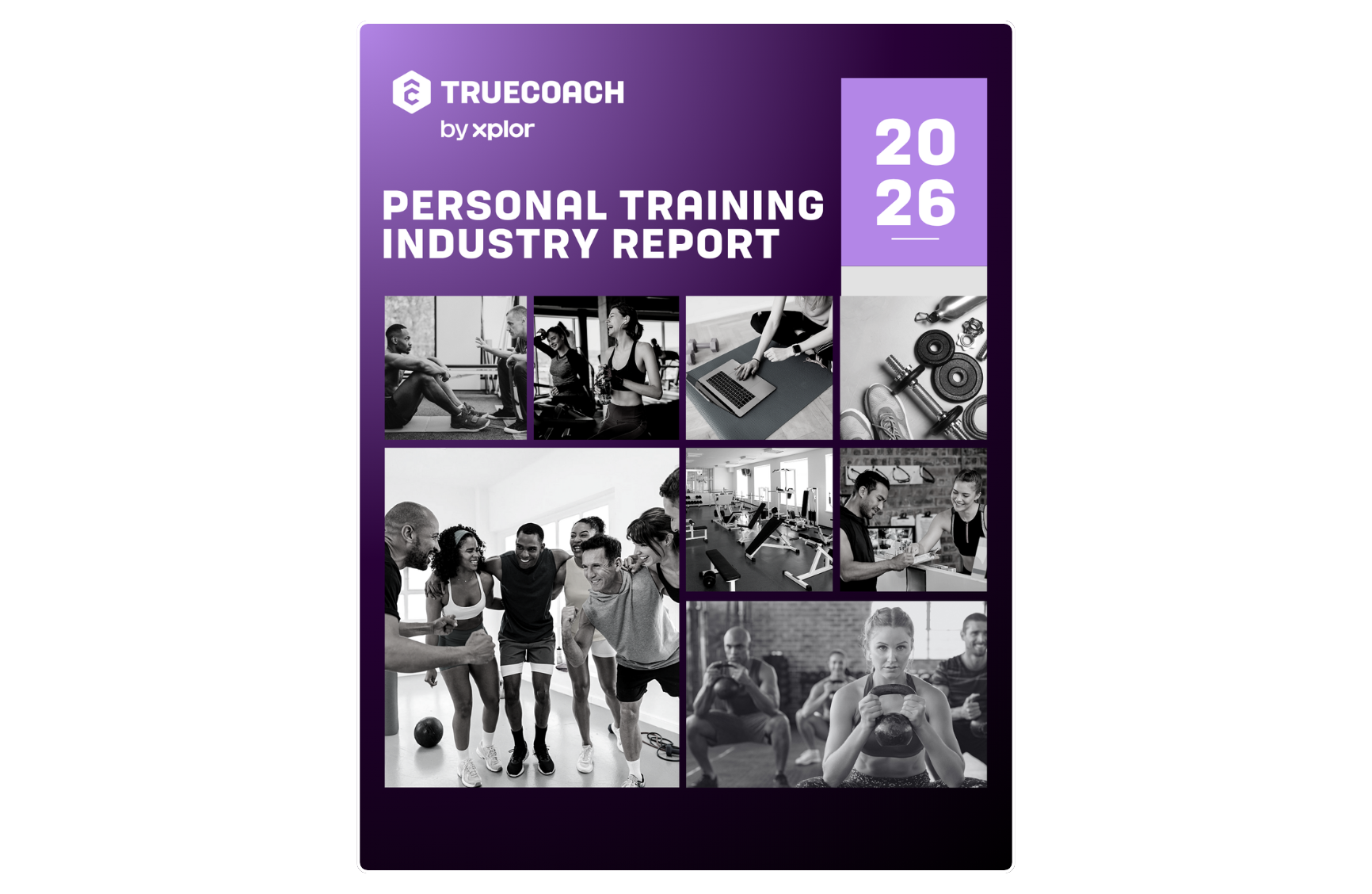
For a deeper breakdown of the data and market outlook, the 2026 Personal Training Industry Report provides valuable insights into where the industry is headed.
The Demand Drivers for Personal Trainers in 2026
Personal training demand in 2026 is not accidental. It is being fueled by several powerful and lasting forces.
Health and Wellness Prioritization
Consumers are more informed and proactive about their health than ever before. Wearable technology, health apps, and biometric tracking have made people more aware of how their daily habits impact long-term outcomes.
As a result, many individuals are seeking professional guidance to interpret data, build sustainable routines, and reduce injury risk. Preventive health spending continues to rise, and personal trainers play a central role in that ecosystem.
Mental wellness has also become inseparable from physical fitness. Trainers who can support stress management, consistency, and lifestyle balance are increasingly valuable.
Hybrid Training Models
Hybrid training is no longer a trend. It is the standard.
Clients expect flexibility. They want the option to train in person when it fits their schedule and remotely when life gets busy. Hybrid coaching allows trainers to serve more clients without sacrificing quality or burning out.
This model also creates geographic freedom. A trainer in one city can coach clients across the country, dramatically expanding earning potential.
Niche Fitness Trends Creating Opportunity
General fitness is crowded. Specialized fitness is growing.
In 2026, demand continues to rise for trainers who focus on specific populations or outcomes, such as:
- Functional fitness and movement quality
- Longevity and healthy aging
- Corrective exercise and pain-aware training
- Senior fitness and fall prevention
Specialization allows trainers to stand out, command higher rates, and attract clients who are actively searching for expertise rather than discounts.
Barriers New Trainers Face in 2026
While opportunity is strong, becoming a personal trainer in 2026 is not without challenges. Understanding these barriers early helps you plan around them.
Saturation in Local Markets
Many gyms already have trainers. However, not all trainers are thriving.
The issue is rarely the number of trainers. It is the lack of differentiation. Trainers who offer generic programming and compete on price struggle, while those who specialize and deliver a clear outcome build loyal client bases.
The Need for Tech Savvy
Technology is now part of the job description.
Clients expect seamless communication, progress tracking, workout delivery, and data integration. Trainers who rely on spreadsheets, text messages, or disconnected tools often appear unprofessional and lose clients to those who provide a better experience.
Business and Marketing Skills Matter
Being great at coaching is only part of success.
Trainers in 2026 need foundational skills in pricing, client retention, content creation, and relationship building. The good news is that these skills can be learned and the right tools can simplify the process.
Personal Training Trends You Need to Know
Understanding where the industry is heading helps you position yourself for long-term success.
Online Coaching Continues to Grow
Online coaching is no longer viewed as lower quality. In many cases, it offers better consistency, better data tracking, and better accountability.
Subscription-based coaching models allow trainers to build predictable monthly revenue while serving more clients efficiently. Group coaching and semi-private online programs continue to expand.
Adaptive and Inclusive Coaching
There is growing demand for trainers who can confidently work with diverse bodies, abilities, and backgrounds.
Programs designed for special populations, post-rehab clients, and beginners entering fitness for the first time are becoming more valuable. Certifications and continuing education in these areas increase trust and earning potential.
Integration with Health Data and Telehealth
Wearables and health apps generate massive amounts of client data. Trainers who can use that information to adjust programming, manage recovery, and support behavior change stand out.
In some cases, trainers are also collaborating more closely with healthcare professionals, creating referral networks and long-term client relationships.
AI and Automation in Coaching
Automation is not replacing trainers. It is supporting them.
Smart tools now assist with program delivery, habit tracking, scheduling, and communication. This allows trainers to spend less time on admin work and more time coaching and building relationships.
How to Prepare for Success: A 2026 Game Plan
If you want to become a personal trainer in 2026, preparation matters as much as passion.
Get Certified Strategically
Choose certifications that align with your goals and target population. A general certification builds a foundation, but niche education builds credibility and confidence.
Clients care about results and trust, not just letters after your name.
Build a Digital Presence Early
A basic website, active social media presence, and clear messaging help potential clients find and understand you.
Content that educates, shares results, and tells your story builds trust before the first conversation ever happens.
Master Business Fundamentals
Successful trainers understand pricing, retention, and lifetime client value.
In 2026, sustainable businesses focus on recurring revenue, clear onboarding processes, and consistent communication. Retention often matters more than acquisition.
Use the Right Tools
Your tools shape your client experience.
Coaching software that centralizes programming, communication, progress tracking, and payments allows you to operate like a professional business from day one.
TrueCoach Spotlight: Tools That Help You Win in 2026
TrueCoach is built specifically for personal trainers who want to coach better and grow smarter.
With TrueCoach, trainers can:
- Manage all clients in one organized dashboard
- Deliver hybrid coaching with in-person and online support
- Track progress, habits, and key performance indicators
- Communicate clearly through in-app messaging and updates
- Integrate payments and scheduling for a seamless client experience
Instead of juggling multiple tools, TrueCoach allows trainers to focus on what matters most: coaching clients and building relationships.
Explore all TrueCoach features.
Your Moment Is Now
So, is 2026 a good time to become a personal trainer?
Yes, for those who are willing to adapt, specialize, and treat coaching like a modern business.
The industry is growing. Demand for personalized, flexible, and data-driven coaching is strong. Trainers who prepare now have a clear advantage over those who rely on outdated models.
If you are ready to take the next step, start by building your foundation the right way.
Try TrueCoach free for 14 days and see how it supports your coaching business from day one.
Download the full guide, How to Launch a Personal Training Business in 2026, to map out your path with confidence.
Your opportunity is here. What you build in 2026 is up to you.
Sign-Up for Our Newsletter