

Not long ago, personal training was almost entirely workout-focused. If a client showed up, followed the program, and trained hard, results were expected to follow. But modern coaches know that reality is far more complex.
Today’s most successful personal trainers understand that progress does not hinge on training alone. Nutrition, sleep, stress levels, and daily habits all play a major role in how clients feel, perform, and progress. As a result, whole-client wellness has become the new standard in personal training, not a bonus or an upsell, but an expectation.
Clients want coaches who look at the full picture, help them make better decisions outside the gym, and adjust training based on real-world data. Trainers who embrace this approach see better results, stronger retention, and a more sustainable coaching business.

Fitness Alone Is No Longer Enough
Training is a powerful stimulus, but it is only one piece of the results equation. Two clients can follow the same program and experience drastically different outcomes based on what happens the other 23 hours of the day.
Common issues coaches see:
- Poor sleep leading to low energy and slow recovery
- High stress reducing motivation and consistency
- Inconsistent nutrition sabotaging fat loss or performance
- Weak daily habits limiting long-term results
When these factors are ignored, trainers often blame the program, when in reality the limiting factor is lifestyle.
Modern clients are also more informed. Many already track steps, sleep, heart rate, or food intake before hiring a coach. They are looking for someone who can help interpret that information and guide them toward better habits, not just deliver workouts.
This shift has pushed the industry toward a more holistic model where training decisions are informed by real-world wellness data.
Learn where the industry is headed!
Want a deeper look at how coaching expectations are changing?
Explore the 2026 Personal Training Industry Report to see the trends shaping the future of fitness coaching.
The Four Pillars of Whole-Client Wellness
Whole-client coaching does not mean doing everything at once or stepping outside your scope of practice. It means focusing on the lifestyle factors that most strongly influence training outcomes and behavior change.
Nutrition
Nutrition is one of the most powerful levers for improving body composition, performance, and recovery. While personal trainers should not prescribe medical nutrition therapy, they can provide education, structure, and accountability.
What trainers can do (within scope):
- Encourage consistent eating habits
- Track protein intake or meal consistency
- Review meal photos for patterns
- Provide basic education and accountability
Nutrition tracking helps coaches identify under-fueling, irregular eating habits, or lack of structure without overwhelming clients with complexity.
When nutrition data is paired with training feedback, coaches can make more informed programming decisions and set realistic expectations.
Support nutrition without overcomplicating it.
Looking for done-for-you nutrition tools and education?
Check out the TrueCoach Nutrition Coaching Bundle to support clients while staying in your scope.
Sleep
Sleep is often the missing link between effort and results. Inadequate sleep affects hormonal balance, recovery capacity, focus, and motivation. Even the best training program will underperform if sleep quality is consistently poor.
What to track:
- Hours of sleep
- Sleep quality (simple 1–5 rating)
- Trends over time
By tracking sleep duration or quality, coaches can identify trends that explain fatigue, plateaus, or poor performance. This allows for smarter programming adjustments such as reducing volume, modifying intensity, or prioritizing recovery during stressful periods.
Helping clients improve sleep hygiene with small, practical changes can have an outsized impact on results.
Turn recovery data into smarter coaching.
Want sleep and recovery insights in one place?
Use TrueCoach Wearables Integrations to bring client sleep data directly into your coaching decisions.
Stress
Stress plays a major role in how clients respond to training. High stress can increase soreness, reduce recovery, impair focus, and decrease adherence.
Signs stress is affecting training:
- Missed sessions
- Poor performance
- Low motivation
- Increased soreness or fatigue
Tracking stress levels gives coaches context. Instead of pushing harder during tough weeks, trainers can temporarily shift focus toward maintenance, recovery, or lower-intensity work. This keeps clients progressing without burnout.
Stress awareness also improves the coach-client relationship by creating space for empathy, flexibility, and realistic goal setting.
Daily Habits
The most meaningful changes happen outside of scheduled workouts. Habits like daily movement, hydration, mobility work, mindfulness, and consistent routines compound over time.
Common habits to track:
- Daily steps or movement
- Hydration
- Mobility or recovery work
- Mindfulness or breathwork
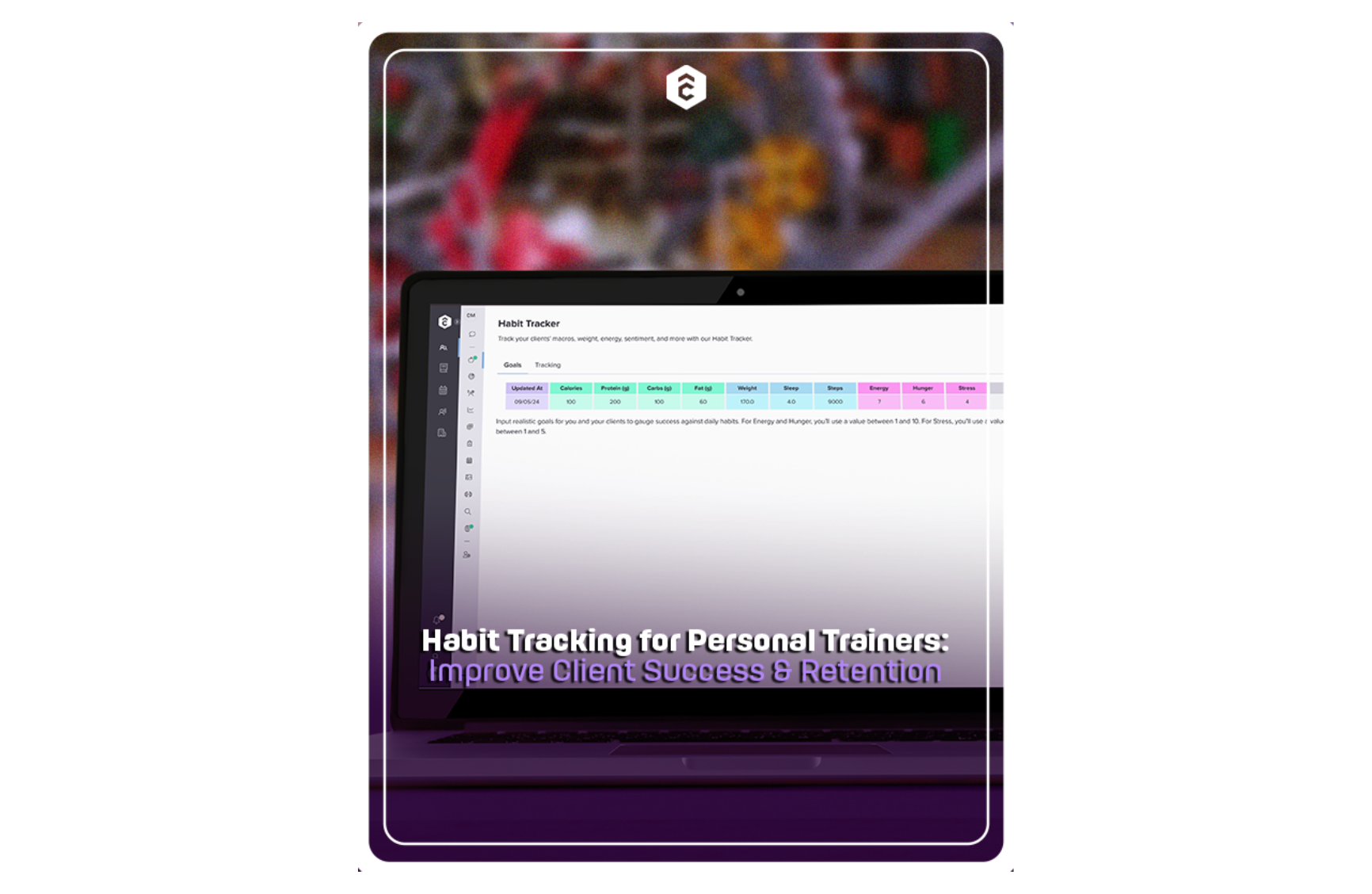
Habit tracking turns behavior into something measurable. Clients gain clarity on what they are actually doing, and coaches gain insight into why progress is or is not happening. Small, consistent habits often matter more than perfect programs.
Make habits part of your coaching system.
Stop relying on memory or spreadsheets.
Use TrueCoach Habit Tracking to turn daily behaviors into visible progress.
Integrating Wellness Into Your Coaching System
Whole-client coaching works best when it is systemized and simple.
Step 1: Establish a Wellness Baseline
- Ask about:
- Sleep habits
- Nutrition consistency
- Stress levels
- Daily routines
Why it matters:
- Provides context for programming
- Sets realistic expectations from the start
Step 2: Track a Few Key Metrics
Choose 2–4 metrics max, such as:
- Protein intake
- Sleep hours
- Stress rating
- Step count
Best practice:
- Consistency > complexity
- Start small and build over time
Step 3: Use Wellness Data to Adjust Training
Examples:
- Low sleep → reduce volume
- High stress → prioritize consistency
- Poor nutrition → manage expectations
- Strong habits → increase progression
Key principle:
- Data guides decisions, not emotions
Step 4: Add Simple Wellness Deliverables
Examples:
- Habit checklists
- Weekly reflections
- Sleep hygiene tips
- Nutrition consistency guides
- Recovery recommendations
Result:
- Higher perceived value
- Better adherence
- Stronger client outcomes
Coaching Conversations Around Wellness Data
Data is only useful if it leads to productive conversations.
Wellness metrics should be framed as information, not judgment. The goal is to understand what is influencing progress, not to criticize behavior. Asking open-ended questions and focusing on patterns helps clients feel supported rather than evaluated.
Trainers can stay within scope by focusing on behaviors, consistency, and education rather than medical advice. Encouraging small, sustainable changes builds trust and long-term success.
Best practices:
- Use data to ask better questions
- Focus on patterns, not perfection
- Keep conversations supportive and non-clinical
What to avoid:
- Judgment
- Over-prescribing
- Stepping outside your scope
When clients feel understood and supported, adherence improves and coaching relationships deepen.
How TrueCoach Supports Whole-Client Wellness
Delivering whole-client coaching at scale requires the right tools. TrueCoach is designed to help trainers integrate wellness seamlessly into their coaching workflow.
Key features:
- Habit tracking for lifestyle behaviors
- Nutrition tracking and meal photos
- Sleep and stress check-ins
- Unified client dashboard
- Built-in messaging and feedback
Explore all TrueCoach Features.
All client data lives in one dashboard, making it easy to spot trends and adjust programming. Built-in messaging, check-ins, and feedback tools keep communication streamlined and professional.
Instead of juggling multiple apps or spreadsheets, coaches can manage the entire client experience in one place.
Real-World Impact of Whole-Client Coaching
When coaches look beyond workouts, results follow.
A client stuck at a plateau may finally progress once sleep patterns are addressed. Another may regain consistency after stress-based programming adjustments. Habit tracking often reveals that small lifestyle changes drive the biggest breakthroughs.
These wins build confidence for both coach and client, reinforcing the value of a holistic approach.
Packaging Whole-Client Wellness as a Premium Service
Whole-client coaching naturally lends itself to higher-value offerings.
Trainers can position holistic support as a premium experience that includes regular wellness reviews, habit tracking, and personalized adjustments.
How to package it:
- Monthly coaching with wellness check-ins
- Hybrid coaching with habit tracking
- Premium coaching with weekly reviews
Clients are not just paying for workouts. They are paying for guidance, accountability, and clarity across their entire lifestyle. This creates stronger retention and more predictable revenue for coaches.

Whole-Client Wellness Is the Future of Coaching
The personal training industry is evolving. Clients want more than exercise plans. They want coaches who understand the full picture and help them navigate real-life challenges.
Whole-client wellness is no longer optional. It is the standard for modern, results-driven coaching.
Trainers who embrace this approach will deliver better outcomes, build stronger relationships, and create more sustainable businesses. With platforms like TrueCoach, integrating nutrition, sleep, stress, and habit tracking into your coaching has never been easier.
The future belongs to coaches who train the whole person, not just the workout. Start your whole client coaching journey with a 14-day TrueCoach free trial!
Sign-Up for Our Newsletter