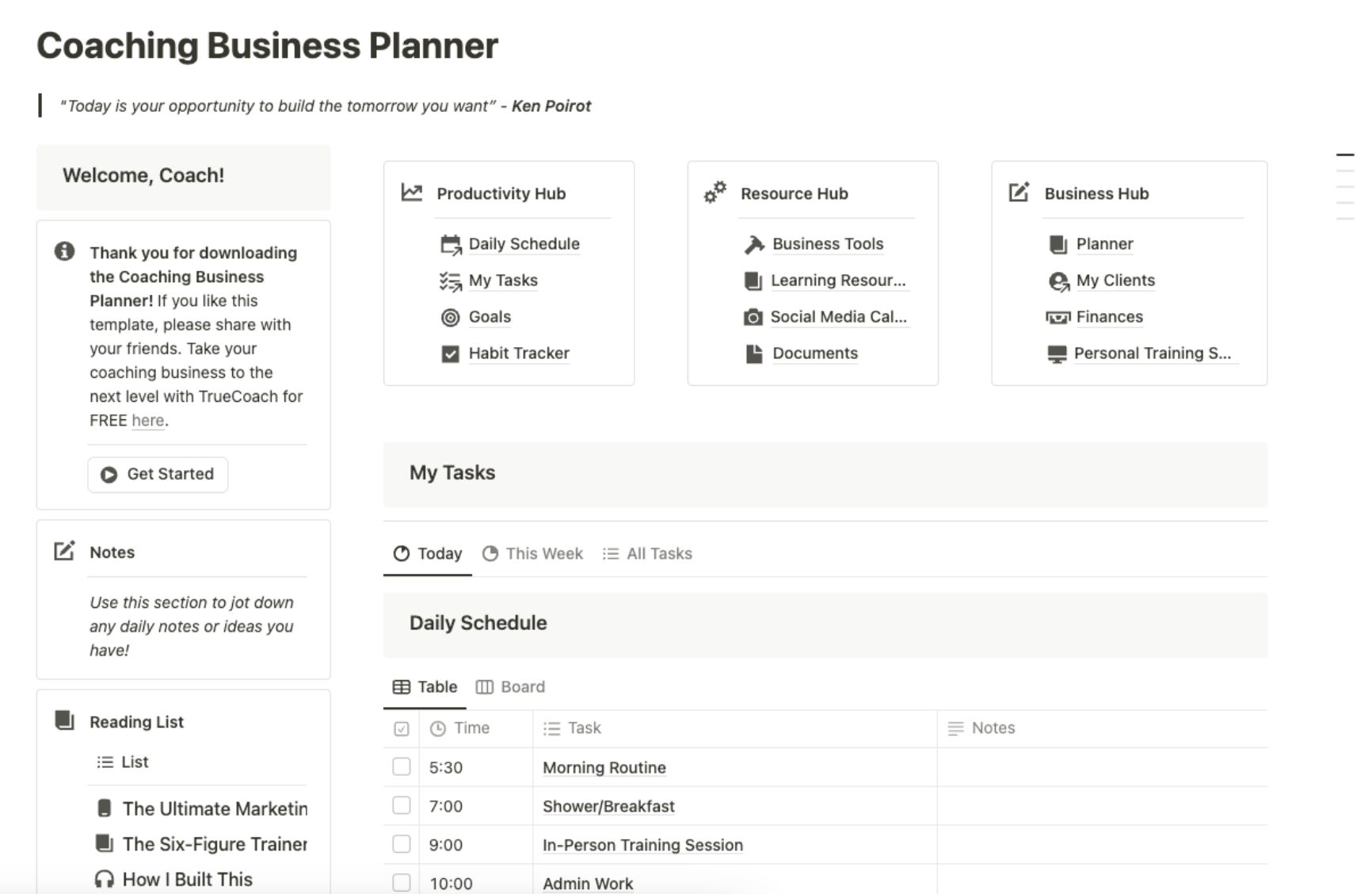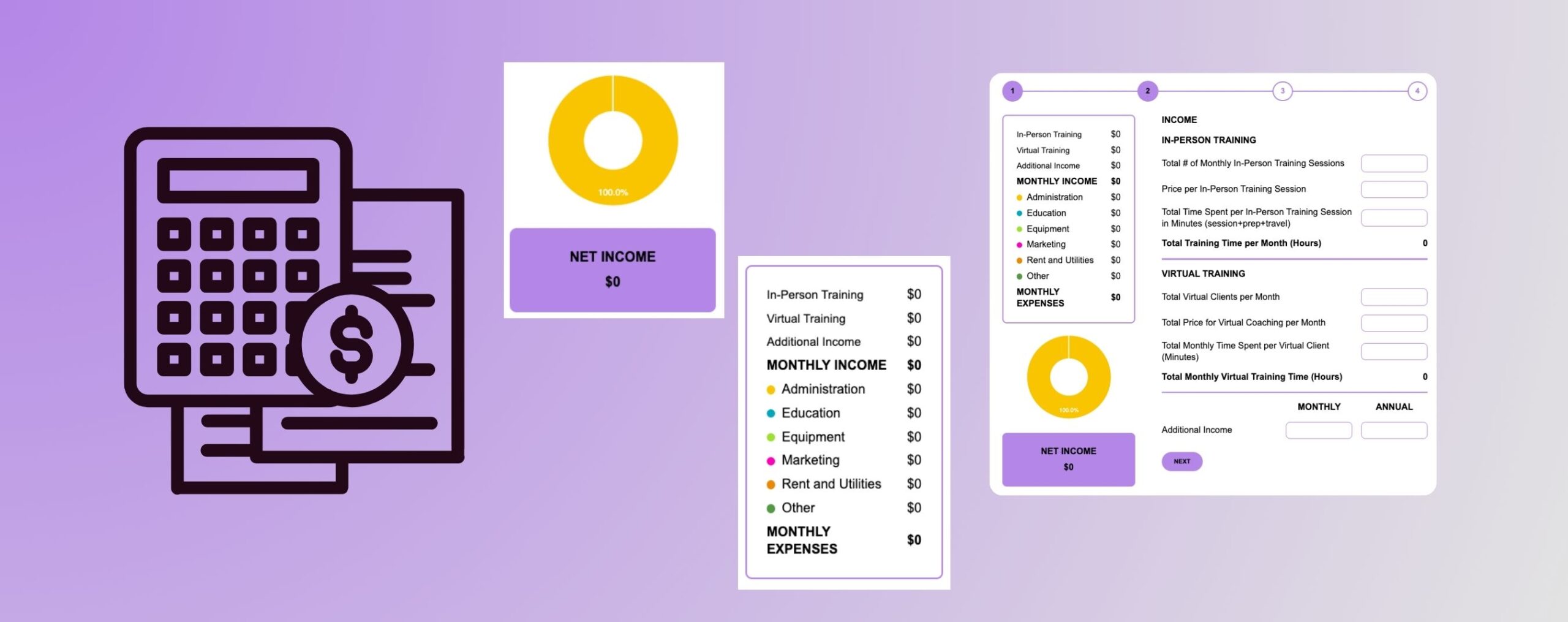


Many personal trainers are great at coaching clients, delivering results, and building strong relationships.
But when it comes to fitness business finances, things are often far less clear.
Income comes in from multiple sources. Expenses are scattered across apps, equipment, and certifications. Taxes are pushed off until the last minute. And despite working long hours, many trainers still feel unsure about how their business is actually performing.
Because of this, many coaches start to feel like the only solution is to pay for an expensive accountant or tax service just to make sense of it all. While professional support can be helpful, the real issue is usually not a lack of help. It is a lack of simple systems and visibility.
This is not a motivation problem. It is a systems problem.
The reality is simple. Being a great coach is not enough to build a successful business. The coaches who grow sustainably are the ones who understand their numbers, stay organized, and treat their coaching like a business.

1. Not Tracking Income and Expenses Consistently
If there is one foundational habit that impacts everything else in your business, it is knowing your numbers. Yet many trainers operate day-to-day without a clear picture of what is coming in and what is going out.
This is not because they do not care. It is because there is no system in place to make it easy and repeatable.
Why this happens
As a coach, your cash flow may come from multiple revenue streams. Monthly clients, one-off programs, group coaching, or hybrid services. At the same time, your expenses are spread across software, gym fees, equipment, education, and subscriptions.
Without a central place to track everything, it becomes overwhelming to keep up, so it gets pushed aside.
The impact
- No clear understanding of profit
- Difficulty making informed business decisions
- Feeling busy but financially uncertain
- Increased stress during tax season
How to fix it
Start simple and focus on consistency.
- Track income and expenses weekly
- Use a spreadsheet or basic financial tool
- Categorize your expenses so you can review them easily
- Set a recurring monthly review to check your numbers
You do not need a complex system. You need a consistent one that you will actually use.
2. Not Setting Aside Money for Taxes
One of the biggest financial shocks for personal trainers comes from taxes. It is not uncommon for coaches to have a strong revenue month, only to feel blindsided later when a large tax bill shows up.
This usually comes down to one simple issue. Treating all income as spendable income.
Why this happens
When you are self-employed, taxes are not automatically withheld from your earnings. If you are not proactively setting money aside, it is easy to assume that what you earn is what you keep.
Without a plan, tax obligations build quietly in the background.
The impact
- Large, unexpected tax bills
- Financial stress and anxiety
- Needing to dip into savings or take on debt
- Avoiding or delaying tax filing altogether
How to fix it
Build a simple system that removes the guesswork.
- Set aside 25–30% of your income as a general rule
- Open a separate tax savings account
- Transfer money into that account every time you get paid
- Automate this process so you do not have to think about it
When taxes are planned for consistently, they stop being a stressful surprise.
3. Missing Valuable Tax Deductions
Many coaches end up overpaying on taxes, not because they earn more, but because they miss legitimate personal trainer tax deductions that could lower their taxable income.
This is often due to a lack of awareness or inconsistent tracking throughout the year.
Why this happens
There are many business expenses that qualify as deductions, but they are not always obvious. Online coaching business finances can be even more complicated with expenses like software, subscriptions, and digital tools.
If you are not expense tracking in real time, they are easy to forget.
Common missed deductions
- Gym equipment and training gear
- Personal training software and apps
- Certifications and continuing education
- Travel, mileage, and events
- Online coaching tools and subscriptions
The impact
- Paying more in taxes than necessary
- Missing opportunities to reinvest in your business
- Relying heavily on others to identify deductions last minute
How to fix it
- Track expenses consistently throughout the year
- Store receipts digitally so they are easy to access
- Use a checklist to stay aware of what qualifies
The more organized you are, the more confident you can be that you are not leaving money on the table.
4. Mixing Personal and Business Finances
As your business grows, keeping your personal trainer finances organized becomes more important. One of the fastest ways to lose clarity is by mixing personal and business finances.
It may seem harmless at first, but it creates confusion quickly.
Why this happens
Many trainers start their business informally. Payments come in through personal accounts, expenses are paid with personal cards, and everything gets blended together.
Over time, this makes it harder to separate what is actually happening in the business.
The impact
- Messy and hard-to-follow financial records
- Time-consuming tax preparation
- Difficulty understanding business performance
- Increased risk of errors
How to fix it
- Open a dedicated business bank account
- Use a separate credit card for business expenses
- Keep all income and expenses clearly categorized
Creating separation gives you instant clarity and makes every other financial process easier.
TrueCoach Payments makes it easy to keep up with your business finances so you always have a clear picture of your earnings.
5. Not Knowing What’s Actually Profitable
Being busy is often seen as a sign of success. But in business, activity does not always equal profitability.
Many trainers are working long hours without fully understanding what they are actually keeping at the end of the month.
Why this happens
Without tracking both revenue and expenses, it is easy to assume that more clients or more sessions automatically means more income.
Hidden costs like software, time, and effort can quietly reduce your margins.
The impact
- High workload with lower-than-expected income
- Burnout from overworking
- Difficulty identifying what to scale or improve
How to fix it
- Track both revenue and expenses consistently
- Calculate your profit, not just your income
- Evaluate which services or offers are most profitable
- Adjust your focus toward higher-value work
Clarity around profit helps you make smarter, more strategic decisions.
6. Underpricing Services
Pricing is one of the most important decisions in your business, yet it is often approached with uncertainty.
Many trainers undervalue their services, not because they lack results, but because they are unsure how to price confidently.
Why this happens
Pricing is often influenced by comparison or fear. Coaches look at what others are charging or worry about losing clients if they increase their rates.
At the same time, many do not factor in expenses, taxes, or the time required to deliver their service.
The impact
- Working more hours for less income
- Limited ability to scale
- Feeling stuck despite growing demand
How to fix it
- Price based on the value you provide, not just market averages
- Factor in your business expenses, taxes, and time
- Review and adjust pricing as your business evolves
Sustainable pricing allows you to grow without burning out.
7. Waiting Until Tax Season to Get Organized
For many trainers, organization only becomes a priority when tax season arrives. This creates a cycle of stress, scrambling, and missed opportunities.
Why this happens
When you are focused on clients and day-to-day operations, financial organization can feel like something you will “get to later.”
Unfortunately, later often means all at once.
The impact
- Rushing to gather receipts and documents
- Reconstructing months of financial activity
- Missing deductions and making avoidable errors
- Increased reliance on last-minute help
How to fix it
- Build simple weekly and monthly habits
- Keep receipts and records organized in real time
- Use checklists to guide your process
Staying organized throughout the year turns tax season into a routine task instead of a stressful event.
8. Not Treating Coaching Like a Business
At the root of many financial mistakes is a mindset shift that has not fully happened yet.
Coaching often starts as a passion. But for it to grow, it needs to be treated like a business.
Why this happens
Many trainers focus heavily on delivering results for clients, which is essential. But without systems, tracking, and planning, the business side gets neglected.
This leads to reactive decision-making instead of intentional growth.
The impact
- Lack of structure and systems
- Limited financial visibility
- Income that fluctuates unpredictably
- Slower long-term growth
How to fix it
- Build simple systems for organization and tracking
- Monitor key metrics regularly
- Make decisions based on data, not guesswork
- Start thinking like a business owner, not just a coach
This shift is what separates coaches who stay busy from those who build scalable businesses with a financial plan.
How to Fix These Mistakes Moving Forward
Improving your finances does not require complex tools or advanced accounting knowledge.
It starts with a few simple, repeatable habits:
- Track your income and expenses consistently
- Set aside money for taxes before spending
- Stay organized throughout the year
- Use tools that simplify your workflow
The goal is not perfection. It is clarity and control.
When you understand your numbers, you reduce stress, make better decisions, and create more opportunities for growth financial health.
Make Tax Season Easier This Year
If you want a simple way to get organized, start with the basics.
The Personal Trainer Tax Cheat Sheet includes:
- Common tax deductions for personal trainers
- Expenses many coaches overlook
- Simple systems for tracking your finances
- How to prepare for tax season with less stress
Download the cheat sheet and take control of your coaching business finances.
Build a More Organized Coaching Business
Running a coaching business involves more than programming workouts.
The more organized your systems are, the easier it becomes to grow and scale without adding unnecessary stress.
With tools that help you manage clients, track activity, and stay organized, platforms like TrueCoach can simplify the operational side of your business so you can focus on delivering results and growing your business.
Start your free trial and build a more structured, scalable coaching business.
Sign-Up for Our Newsletter