

Since 2020, personal training has experienced seismic shifts with tech-fueled growth, the mainstreaming of hybrid models, and skyrocketing demand for accountability, wellness, and flexibility. Client expectations now reach far beyond traditional workouts, including holistic coaching, nutrition support, and custom programming that fits into demanding schedules.
In 2026, trainers who anticipate trends, embrace technology, and strategically plan will seize expansive opportunities for scaling income, improving retention, and elevating their market position. This blog delivers actionable strategies and planning frameworks to implement when preparing your fitness business for 2026.

Fitness Industry Trends 2026 that Trainers Must Prepare For
Hybrid & Online Coaching as Standard
Online and hybrid coaching have overtaken old-school face-to-face sessions, with clients expecting seamless digital support for workouts, nutritional advice, and progress tracking even if most training occurs in-person. Success means weaving technology into every client journey, offering video calls, app-based check-ins, and virtual accountability by default.
All-in-One Coaching Demand
Clients now seek fully integrated transformation programs with training, nutrition, habits, and mental wellness within a single package. Building stacked services increases retention and enables higher-ticket pricing. For example, a trainer might combine personalized programming with meal plans, habit tracking, live chats, and mindfulness sessions.
Technology-Driven Accountability
Wearables, AI, and automation push accountability coaching to new heights. Trainers should leverage real-time data, allowing for instant feedback, automated reminders, and progress insights that motivate clients and streamline coaching. Platforms like TrueCoach sync with fitness wearables and automate much of this process. Learn about TrueCoach’s Wearables Integration.
Rising Competition: Niches & Branding
With industry growth comes increased competition, making differentiation essential. Trainers must specialize: strength, fat loss, postpartum, athletic performance, or special populations. Effective branding combined with niche expertise positions a trainer as the go-to authority in their area.
Scalable Personalization
Using program templates, automation, and habit tracking technology allows trainers to offer elevated experiences to more clients without burning out. For example, AI-driven recommendations or templated habit-building plans can maintain quality and decrease manual effort.
Step 1: Conduct a Year-End Review Before Planning for 2026
Business Performance Metrics
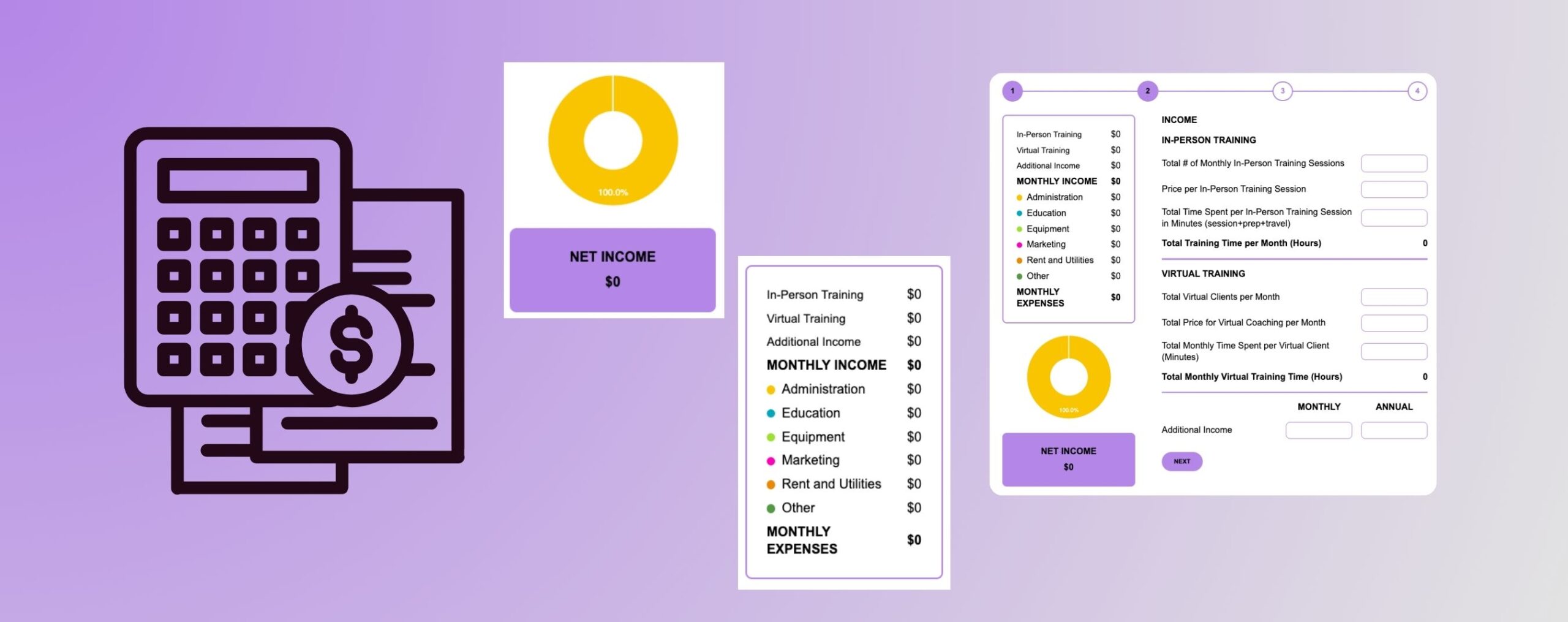
Accurate measurements are key. Deep dive into total annual revenue, breakdown by each offer or service, monthly recurring revenue, client retention rates, conversion data, and reasons for client churn. This quantitative assessment identifies strengths and bottlenecks.
Check out the TrueCoach Personal Training Income Calculator to make this process clear and simple!
Operational Efficiency Review
Reflect on operations: what tasks ate up time, where did processes break, and which activities could be automated? Map workflows for client management, admin, content creation, and see which manual steps can be replaced with software or automation.
Client Results & Satisfaction
Analyze outcome data. Which workout plans consistently delivered results, where did participants struggle, and what additional services or support did clients request? Gather feedback and testimonials from your client base for both strengths and gaps.
Leverage TrueCoach Insights
TrueCoach provides reporting on check-ins, program completion, nutrition adherence, and wearable data patterns for each client. Use these insights to tailor future programming and identify top-performing offers. Learn more.
Step 2: Set Clear Fitness Business Goals for 2026
Revenue Goals
Set specific monthly recurring revenue targets and review previous growth rates. Define how many new clients you need and what retention benchmarks are essential to hit your targets. Factor in scalable offers and price changes.
Offer & Product Goals
Plan to develop hybrid coaching packages, add nutrition or habit-based options, roll out high-ticket transformation programs, exclusive personal training services, and introduce scalable group offerings. Each should be mapped to concrete launch dates and marketing strategies.
Operations Goals
List processes that require automation: check-ins, onboarding, scheduling, and client tracking. Build templates for programming, set up automated messaging, and integrate software to streamline workflows (e.g., TrueCoach).
Personal Development Goals
Identify certification needs—nutrition, strength & conditioning, special populations. List conferences, online courses, and peer networks to deepen coaching, business, and marketing skills. Allocate budget and time for continuing education. Explore TrueCoach Partner Perks for exclusive discounts on top certification programs.
Step 3: Future-Proof Your Offer Suite for 2026
Transformation-Based Offers
Shift mindset from selling sessions and training programs to selling health and fitness outcomes. Structure tiered packages focused on holistic results—body composition change, weight loss mindset transformation, improved health—backed by consistent accountability. Package pricing strategies should reflect the value and duration of transformation.
Recurring Revenue Programs
Build programs that generate reliable monthly income (membership, subscription coaching, hybrid check-in plans). These models reduce stress, limit churn, and increase long-term value per client.
Add Complementary Services
Expand your suite with nutrition coaching, habit formation plans, mobility or recovery sessions, and supplement guidance. These can be included in packages or offered as à la carte add-ons.
TrueCoach Feature Integration
Leverage TrueCoach’s public profiles to showcase your offers directly to your target market, use habit and nutrition tracking to boost accountability, and program templates for scalability. Automated messaging systems keep engagement high, while progress tracking enhances retention. Explore all TrueCoach Features.
Step 4: Invest in Technology That Supports Growth
Tech is No Longer Optional
Clients expect flawless digital experiences and a data driven approach with structured programs, real-time communication, seamless data sharing, and easy payments. Without integrated tech, trainers risk losing business to more organized competitors.
Essential Business Systems
Adopt comprehensive coaching platforms (TrueCoach) scheduling and payment tools, automated email marketing, social media planners (Buffer, Later), and CRM systems for lead management. Each system should sync as much as possible for efficiency and client ease.
TrueCoach Benefits for 2026
TrueCoach stands out as the ultimate platform to train clients because of its wearable integrations, video feedback, ready-to-use program templates, scalable group coaching options, and marketing-friendly public profiles. Use these core features to streamline delivery and attract new clients.
Step 5: Build a Marketing Plan That Reflects 2026 Trends
Niche Identity & Brand Building
Articulate your niche and make it specific to your target audience — “Strength coaching for busy parents with full time jobs”, “Mobility for older adults looking to regain strength and independence”—and ensure your messaging reflects that unique value. Consistent branding fosters trust and speeds client acquisition.
Diversify Lead Generation Channels
Prioritize high-ROI platforms: Instagram, TikTok, YouTube, and SEO-optimized blog content. Supplement with referral programs and downloadable lead magnets to build lists and nurture leads.
Trust-Building Content
Share authentic client wins, weekly progress summaries, educational posts, and behind-the-scenes glimpses of your coaching process. Content that humanizes your expertise builds stronger relationships and retention.
Leverage AI for Content Scaling
Use AI tools for content planning, caption drafting, automated email writing, and routine client instructions. This lets trainers multiply efforts without sacrificing quality.
Want the full scoop on what will happen in the Personal Training Industry in 2026?
Download the full TrueCoach 2026 Personal Training Industry Report for exclusive strategies, data, and templates to future-proof your fitness business.
Step 6: Prioritize Retention—Your Most Valuable Metric in 2026
Value of High Retention
Retention drives predictable revenue, higher lifetime client value, and reduces marketing pressure. Business owners that prioritize retention consistently grow faster and command higher margins.
Proven Retention Strategies
Weekly check-ins—automated where possible—habit and nutrition coaching, personalized engagement through wearables, and flexible communication channels all drive client satisfaction. Schedule retention reviews and offer bonuses for loyal clients.
TrueCoach Retention Enhancements
TrueCoach’s integrated habit tracking, messaging, goal setting, and wearable syncing help fitness professionals proactively manage client progress and maintain engagement. Progress reports and milestone celebrations nurture loyalty.
Step 7: Create a 12-Month Implementation Plan
Quarterly Roadmap
Build out each quarter with specific projects:
Q1: Set up operating systems, automation, key tech integrations.
Q2: Launch new offers, expand marketing, and increase digital presence.
Q3: Focus on retention, refine program delivery, and gather testimonials.
Q4: Conduct year-end reviews, forecast for 2027, update business plan.
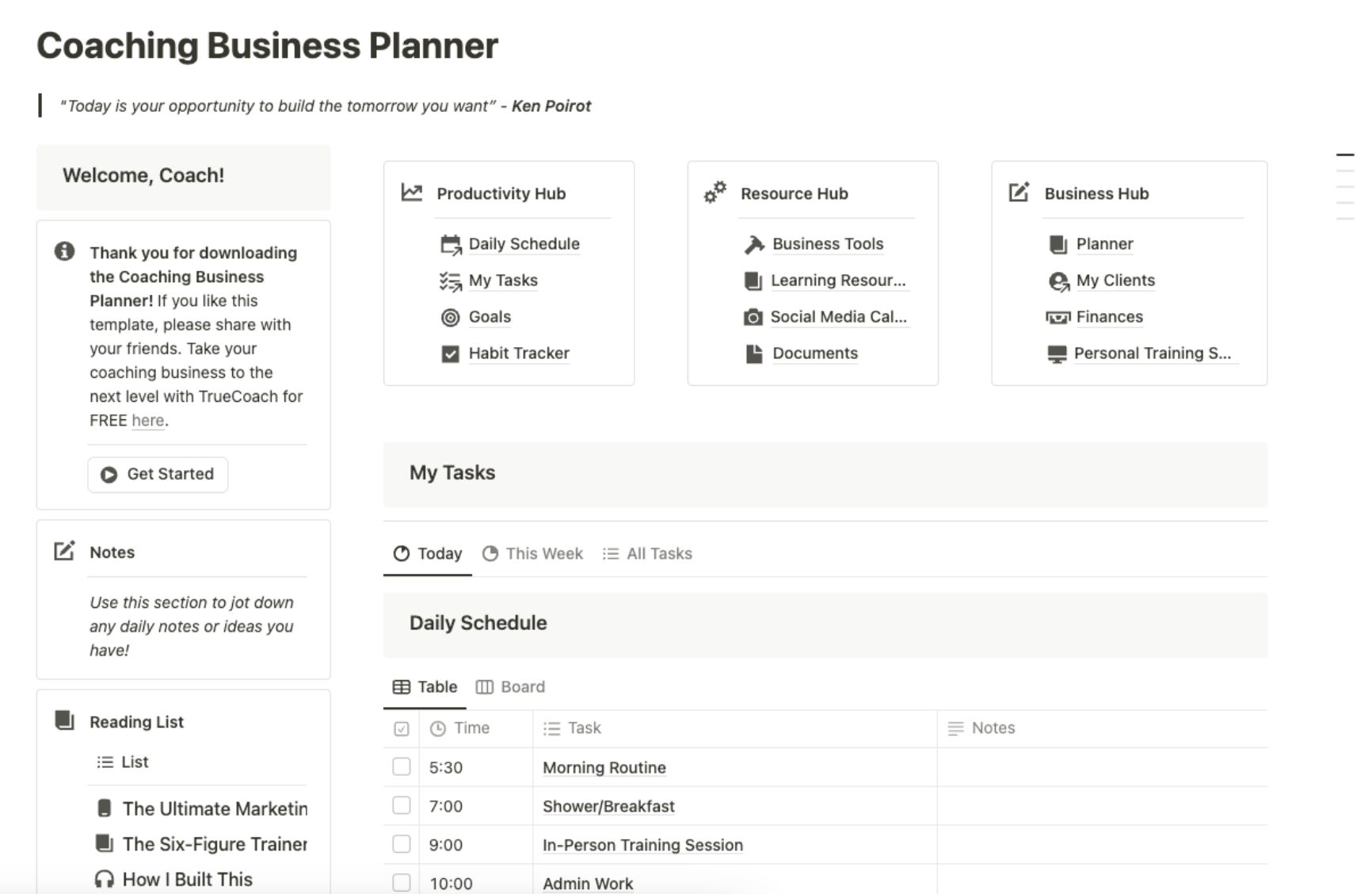
Use The TrueCoach Personal Training Business Planning Template
Apply structured planning templates for tracking launches, campaigns, and retention strategies. Document each stage, deadlines, and delegated responsibilities for team setting.

Success Belongs to Early Planners
Winning in 2026 will come down to having a clear personal trainer business strategy and a willingness to adapt your business model to match client needs and industry trends. The most successful trainers are moving beyond traditional one-on-one sessions, instead building scalable models that offer more flexibility and stronger profits. Recognize your strengths, choose a model that matches your goals and market, and leverage technology to simplify your operations and make your client experience seamless.
Differentiate your brand by owning a clear niche and delivering services that reflect your expertise. Strong branding, authentic relationships, and consistent marketing across channels will increase trust and drive referrals. Most importantly, never ignore your client retention—make each interaction valuable with regular check-ins, personalized feedback, and lifestyle support.
Consistent goal setting for personal trainers is key along with reviewing financials, and iterating your client offers. Begin each quarter with a review and a roadmap, using planning templates to keep projects on track. Embrace technology as an enabler: systems like TrueCoach, CRM tools, and content automation will give you the time and data to focus on growth and client results.
Start now: map out your 2026 offer suite, clarify your brand, and implement the technology and systems that will future-proof your personal training business. Early planners will lead the industry, set higher standards for service, and secure a larger share of a growing market.
Start your TrueCoach free trial, download our business planning templates, and review the latest fitness trends to future-proof your business for 2026 success.
Sign-Up for Our Newsletter