

Getting a new client to sign up is a great feeling.
Maybe they’ve responded to your Black Friday offer, been referred by someone you already coach, or finally decided they’re ready to get started.
They’ve made the commitment. They’re excited about what comes next.
Now it’s your turn.
Because while getting someone to sign up is important, what happens after that can have a big influence on how they feel about working with you.
Do they know what to expect? Can they access their workouts? Do they feel comfortable asking questions? And, perhaps most importantly, do they feel like you’re paying attention?
You don’t need to have everything figured out in the first two weeks. But you do want clients to feel confident that they’ve made the right decision.
Here’s how to make those first 14 days count.
Why the First Two Weeks Matter
Think about the last time you signed up for something new.
You probably had a few questions, even if you were excited to get started.
What happens next? Am I doing this right? Who do I contact if I need help?
Your clients are no different.
Some will have plenty of training experience. Others might be returning after a long break. Even someone who’s worked with a personal trainer before won’t necessarily know how you run your coaching.
The first two weeks are your opportunity to help them settle in.
That means making sure they understand the process, know what they’re working towards, and feel supported as they get started.
It’s also a chance for you to learn more about them.
You might discover that their schedule is less flexible than they originally thought. An exercise doesn’t feel right. Or they’re finding it difficult to fit training around work and family commitments.
Finding these things out early gives you an opportunity to make adjustments before they become bigger problems.
And if you’re expecting an increase in sign-ups from a Black Friday promotion, having a clear onboarding process will make it much easier to give everyone a good start.
Day 1: Make Them Feel Welcome
Your new client shouldn’t have to wonder whether their sign-up went through or when they’ll hear from you.
Once they’ve joined, send a welcome message that confirms what happens next.
It doesn’t need to be long or overly formal.
Something like:
Hey [First Name],
Great to have you on board!
I’ll be putting together your training plan over the next couple of days. Before I do, I’ve got a few questions about your goals, training experience, and schedule so I can make sure we’re starting in the right place.
Once your program is ready, I’ll walk you through how everything works and what to expect from our check-ins.
Looking forward to getting started!
A message like this does a few useful things.
It confirms that you’ve received their sign-up, explains the next step, and gives them a clear idea of when they’ll hear from you again.
If you use a welcome template, that’s fine. Just make sure it still sounds like you.
And if you’ve promised a specific start date or onboarding timeframe, stick to it.

Days 1–3: Get to Know the Person You’re Coaching
You probably collected some information when your client first enquired.
But now that they’re officially getting started, it’s worth taking the time to understand where they’re at.
Their goal might be to get stronger, improve their fitness, or return to regular training after a break.
That’s useful information, but it doesn’t tell you everything you need to know.
You also want to understand what their week looks like and what might make training difficult.
A few questions worth asking:
- What are you hoping to achieve over the next few months?
- What does your current training routine look like?
- How many days can you realistically commit to training?
- What equipment do you have access to?
- Are there any injuries, health considerations, or movement limitations I should know about?
- What’s made it difficult to stay consistent in the past?
- How do you prefer to communicate and receive feedback?
The answers can help you build a program that fits their life rather than one that looks great on paper but is difficult to follow.
For example, someone might say they want to train five days a week.
But after talking through their work schedule and other commitments, you might agree that three consistent sessions are a more realistic starting point.
That’s a much better conversation to have before their program begins than after they’ve missed half their workouts.
And remember, your initial assessment should inform appropriate screening and referral decisions where needed. A coaching questionnaire isn’t a substitute for medical clearance when that’s required.
Days 3–5: Deliver a Program They Can Actually Follow
Once you’ve got a clearer picture of your client’s goals and circumstances, it’s time to get their training program ready.
This is where it’s worth remembering that more isn’t always better.
You might have plenty of ideas about what could help them progress, but their first program doesn’t need to include every exercise or training method you know.
It needs to be something they can understand and realistically complete.
Think about:
Their starting point
Are they experienced with the movements you’re prescribing, or will they need additional instruction?
Their available time
If they’ve committed to three 45-minute sessions, make sure the program fits within that time.
Their equipment
There’s no point programming exercises that require equipment they can’t access.
Their confidence
Some clients will be comfortable following a program independently. Others may need more explanation, demonstrations, or reassurance.
Their goals
Make sure they understand how the training relates to what they’re trying to achieve.
It can also help to explain what you’re looking for during the first week.
For example, you might tell a client that you’re less concerned about how much weight they lift initially and more interested in understanding how they respond to the program.
That gives them permission to learn and settle into the routine without feeling like every workout needs to be a personal best.
Make Your Programs Easy to Access
However you deliver your coaching, clients should know exactly where to find their workouts and how to follow them.
If they’re searching through old emails for a PDF or messaging you every time they need an exercise demonstration, that’s frustrating for both of you.
With TrueCoach, you can deliver personalized training programs, include exercise videos, and track workout completion and progress in one place.
It helps clients know what they’re doing and gives you a clearer view of how their training is going.
Days 5–7: Check In Before They Have to Ask
One of the easiest things to overlook during onboarding is the first check-in.
You’ve sent the program, explained how everything works, and your client has started training.
So far, so good.
But don’t assume that silence means everything is going well.
Some clients will happily message you whenever they have a question. Others might feel uncomfortable reaching out, particularly when they’re still getting to know you.
A quick check-in can make that easier.
You could ask:
Hey [First Name], just checking in now that you’ve had a chance to get started. How are you finding the workouts so far? Anything feeling unclear or harder to fit in than expected?
It’s a simple message, but it opens the door for a useful conversation.
Maybe they’re finding one exercise uncomfortable. Maybe their sessions are taking longer than expected. Or perhaps they’re enjoying the program but aren’t sure whether they’re using the right weights.
You can address those things before they become ongoing frustrations.
And if everything is going well, great. You’ve still shown that you’re paying attention.
Set Clear Expectations Around Communication
This is something worth establishing early, especially if you coach clients online.
How often will you check in? When can clients expect a response? What’s the best way to contact you?
You don’t need to be available around the clock to provide good coaching.
In fact, setting clear expectations can make the experience better for both you and your clients.
For example, you might explain that:
- You’ll review training progress every Friday.
- Clients can send questions through their coaching app.
- You’ll respond to messages during your usual business hours.
- Program adjustments will be made following scheduled reviews or when something needs attention.
The exact arrangement will depend on your coaching service.
What’s important is that clients understand what support is included and how to access it.
That way, they’re not left wondering whether they should message you, and you’re not feeling pressured to respond to every question immediately.
Days 7–10: Look for Early Signs of Progress
After the first week, your client might not have achieved anything dramatic.
That’s completely normal.
But it doesn’t mean there’s nothing worth recognising.
Progress can look different in the early stages of coaching.
Maybe they’ve completed every planned workout.
Maybe they’ve started feeling more confident with an exercise that was unfamiliar a week ago.
Or perhaps they’ve managed to fit training into their schedule consistently for the first time in months.
Those things matter.
If you’re only talking about weight changes, measurements, or personal records, you might miss the improvements that are helping someone build confidence in their training.
Take a few minutes to acknowledge what they’ve done well.
For example:
Nice work getting all three sessions done this week. I know you were worried about fitting training around work, so that’s a really good start. How did the schedule feel?
You’re recognising their effort while also checking whether the routine is sustainable.
And if they haven’t completed everything, that’s useful information too.
Rather than immediately telling them to try harder, find out what got in the way.
Maybe the program needs adjusting. Maybe their schedule changed. Or maybe they need a little more support getting comfortable with the exercises.
The goal is to understand what’s happening and help them keep moving forward.

Days 10–14: Have a Proper Conversation About How Things Are Going
By the end of the second week, you’ve probably learned quite a bit about your new client.
You’ve seen how they respond to the program, whether they’re completing their workouts, and how comfortable they are communicating with you.
Now’s a good time to bring that information together.
This doesn’t need to be a lengthy formal review.
A short conversation or structured check-in can help you understand what’s working and what might need to change.
You could ask:
- How are you feeling about the program so far?
- Are the workouts manageable with your current schedule?
- Is anything feeling too easy or too difficult?
- Do you feel comfortable asking questions when you need help?
- Is there anything you’d like us to approach differently?
- What would you like to focus on over the next couple of weeks?
Use their answers alongside what you’ve observed.
If they’ve been consistent and are responding well, you might continue with the planned progression.
If they’re struggling to complete sessions, perhaps you need to adjust the schedule or training volume.
And if they’re feeling unsure about their progress, this is a good opportunity to revisit their goals and explain what you’re working towards.
The important thing is that clients can see their coaching is being adjusted around them.
They’re not simply receiving a program and being left to figure everything out themselves.
What If a Client Starts Disengaging?
Not everyone will settle into coaching straight away.
You might have someone who signs up feeling enthusiastic, completes their first workout, and then disappears for a few days.
Or someone who keeps postponing sessions because work is getting in the way.
It’s tempting to assume they’re not committed.
But there could be a few different reasons.
Maybe the program feels overwhelming. Maybe they’re unsure about an exercise. Maybe their circumstances have changed since signing up.
Before making assumptions, reach out.
Keep it simple:
Hey [First Name], noticed you haven’t had a chance to get your last couple of sessions done. Just wanted to check how things are going. Is there anything we can adjust to make training more manageable this week?
You’re giving them an opportunity to explain what’s happening without making them feel guilty.
Sometimes a small change is enough to help someone get back into a routine.
Other times, you’ll discover that their goals or circumstances need a bigger conversation.
Either way, it’s better to understand the issue early than wait until the end of their package to find out they weren’t enjoying the experience.
Your First 14 Days: A Simple Onboarding Timeline
Here’s a quick way to bring everything together.
| When | What to focus on |
|---|---|
| Day 1 | Welcome your client, confirm their sign-up, and explain what happens next. |
| Days 1–3 | Understand their goals, experience, schedule, and starting point. |
| Days 3–5 | Deliver their first training program and explain how to follow it. |
| Days 5–7 | Check in, answer questions, and address any early issues. |
| Days 7–10 | Review training activity and recognise early progress. |
| Days 10–14 | Have a more detailed check-in and make any necessary adjustments. |
You can adapt this to suit how you coach.
If you deliver in-person sessions, some of these conversations might happen face to face. If you coach online, you’ll probably handle more of them through messages or scheduled calls.
Either way, the aim is the same: give every new client a clear, supportive start.
A Good Start Makes the Next Conversation Easier
By the end of their first 14 days, your client doesn’t need to have achieved their ultimate fitness goal.
But ideally, they should understand their program, feel comfortable communicating with you, and have a clearer idea of what they’re working towards.
They should also feel like you understand them.
That’s especially important if they’ve joined through a Black Friday promotion.
An attractive offer might be what encouraged them to sign up, but the coaching experience is what they’ll be evaluating once they get started.
And while no onboarding process can guarantee someone will stay, a consistent approach gives you more opportunities to understand their needs and address problems early.
If you’re planning to bring in more clients over Black Friday, it’s worth getting this process ready before the sign-ups arrive.
That way, you’re not trying to work everything out while juggling ten new welcome messages.
Planning for Black Friday Sign-Ups?
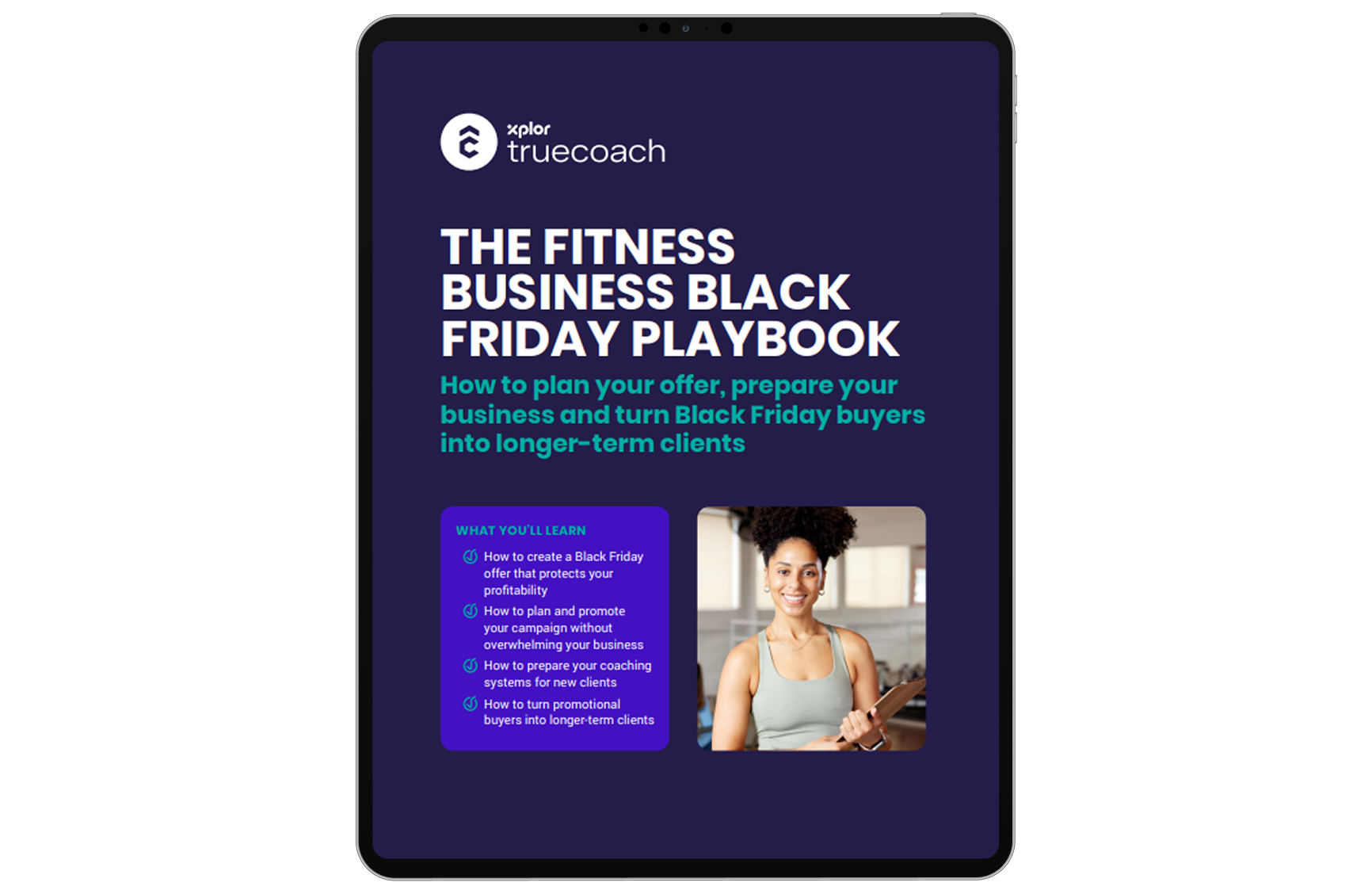
We’ve created The Fitness Business Black Friday Playbook to help personal trainers plan a worthwhile promotion and prepare their coaching business for new clients.
Inside, you’ll find:
- Five Black Friday offer ideas that don’t rely on huge discounts.
- Planning worksheets to help you set goals and assess your capacity.
- A four-week campaign countdown and ready-to-use marketing messages.
- Business-readiness and onboarding checklists to help you prepare for new clients.
[DOWNLOAD THE FREE BLACK FRIDAY PLAYBOOK]
Get your offer ready, prepare your onboarding process, and give your new clients a great start.
Download the Free Black Friday Playbook
Plan your promotion, prepare your business, and make sure you’re ready to give every new client a great start.

When you’re ready to bring those systems together, start a free TrueCoach trial and see how a platform built specifically for coaches can help you manage your business as it grows.
Sign-Up for Our Newsletter
Recommended Resources For You
Resource
The Fitness Business Black Friday Playbook
Author: Toni Rennie
Running your coaching business across spreadsheets, messaging apps, and payment platforms can quickly become overwhelming as you grow. From Spreadsheet to System is a free guide that shows personal trainers how to simplify their workflow, build better business systems, and create a more organized coaching business that saves time and delivers a better client experience.

Resource
From Spreadsheets to Systems
Author: Clare Hudson
Running your coaching business across spreadsheets, messaging apps, and payment platforms can quickly become overwhelming as you grow. From Spreadsheet to System is a free guide that shows personal trainers how to simplify their workflow, build better business systems, and create a more organized coaching business that saves time and delivers a better client experience.
Resource
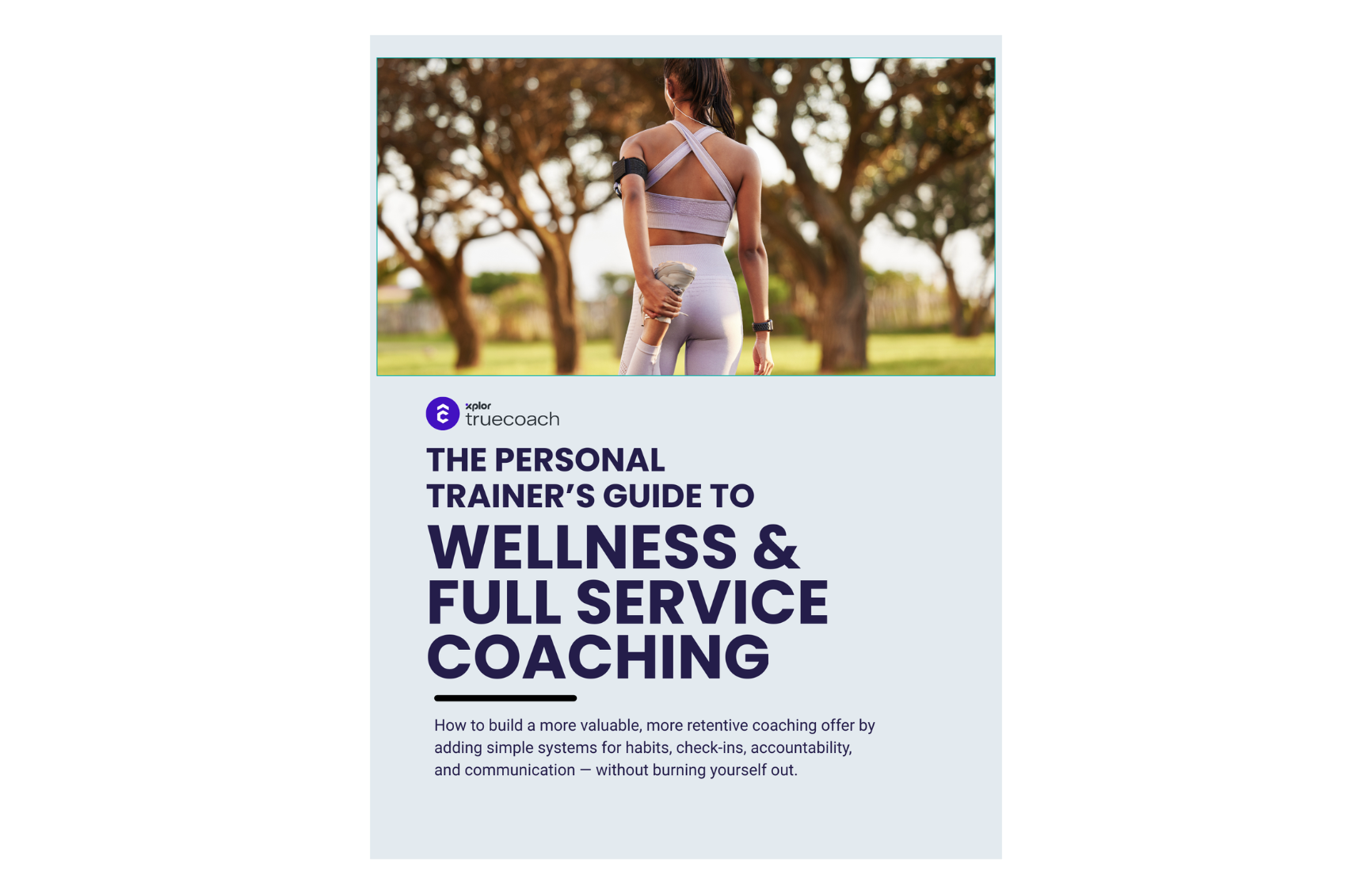
The Personal Trainer’s Guide to Wellness & Full-Service Coaching
Author: Clare Hudson
Learn how to expand into wellness coaching with practical systems that improve retention, strengthen client relationships, and create a higher-value coaching experience.

Author: Toni Rennie Growth Marketing Director
-
First published: November 23 2026
Written by: Toni Rennie