

Many clients know what they should be eating. They understand that protein supports muscle growth, vegetables are important for overall health, and highly processed foods should be limited. Yet despite having the knowledge, many still struggle to consistently follow through.
For personal trainers, this is one of the most common frustrations in coaching. A client may train three or four times per week, but their results are ultimately shaped by dozens of decisions made outside of those sessions. When nutrition habits aren’t consistent, progress often stalls.
This is where meal planning becomes valuable.
While meal planning is often viewed as a nutrition strategy, it’s equally effective as an accountability tool. By helping clients make decisions ahead of time, meal planning reduces guesswork, creates structure, and makes healthy choices easier to follow.
Meal planning for personal trainers provides additional opportunities to guide behavior, monitor adherence, and support clients between workouts.

Why Accountability Is One of the Biggest Challenges in Coaching
Most clients spend only a few hours each week exercising.
The remaining 160+ hours are spent navigating work schedules, family responsibilities, social events, travel, stress, and countless food-related decisions. Those daily choices have a significant impact on whether clients reach their goals.
Common obstacles that affect nutrition accountability include:
- Busy schedules that lead to convenience-based eating
- Decision fatigue after long workdays
- Social gatherings and restaurant meals
- Emotional or stress-related eating
- Lack of meal preparation and planning
When clients don’t have a plan, they’re forced to make food decisions in real time. Unfortunately, those decisions are often made when they’re tired, hungry, rushed, or stressed.
Even highly motivated individuals can struggle under those circumstances.
Without structure, consistency becomes difficult. Without consistency, results become harder to achieve.
How Healthy Meal Planning Improves Client Accountability
Meal planning for clients creates a framework that helps them follow through on their intentions. Instead of relying on motivation each day, they have a clear roadmap for success.
It Creates Clear Expectations
One of the biggest reasons accountability breaks down is a lack of clarity.
If a client hasn’t planned their meals, it’s difficult to know whether they stayed on track because there was never a defined target to begin with.
When meals are planned in advance:
- Clients know what they intend to eat
- Expectations are clear
- Progress is easier to evaluate
- Coaches can have more productive check-in conversations
The focus shifts from vague goals like “eat better” to specific actions that can be measured.
It Reduces Decision Fatigue
Clients make hundreds of decisions every day.
Adding constant nutrition decisions on top of work, family, and personal responsibilities can be overwhelming.
Meal planning removes much of that mental burden.
Instead of asking:
- What should I eat for lunch?
- What should I make for dinner?
- Do I have healthy options available?
The answers have already been determined.
Healthy choices become the default rather than a decision that requires willpower.
It Increases Awareness
Many clients underestimate how much they eat, overlook important nutrients, or simply don’t realize how frequently they make impulsive food choices.
Meal planning encourages intentionality.
As clients begin planning meals, they often develop a better understanding of:
- Protein intake
- Portion sizes
- Food quality
- Meal timing
- Overall eating patterns
That increased awareness creates greater ownership of their nutrition habits.
It Provides Measurable Actions
Clients often become overly focused on outcomes.
They want to lose weight, reduce body fat, improve energy levels, or build muscle. While those goals matter, outcomes don’t always change immediately.
Meal planning allows coaches to focus attention on behaviors that clients can control today.
Examples include:
- Following a planned meal schedule
- Preparing meals ahead of time
- Hitting daily protein targets
- Eating vegetables at most meals
- Staying hydrated
These actions are measurable, repeatable, and directly connected to long-term success.
Help Clients Stay Consistent With Their Nutrition
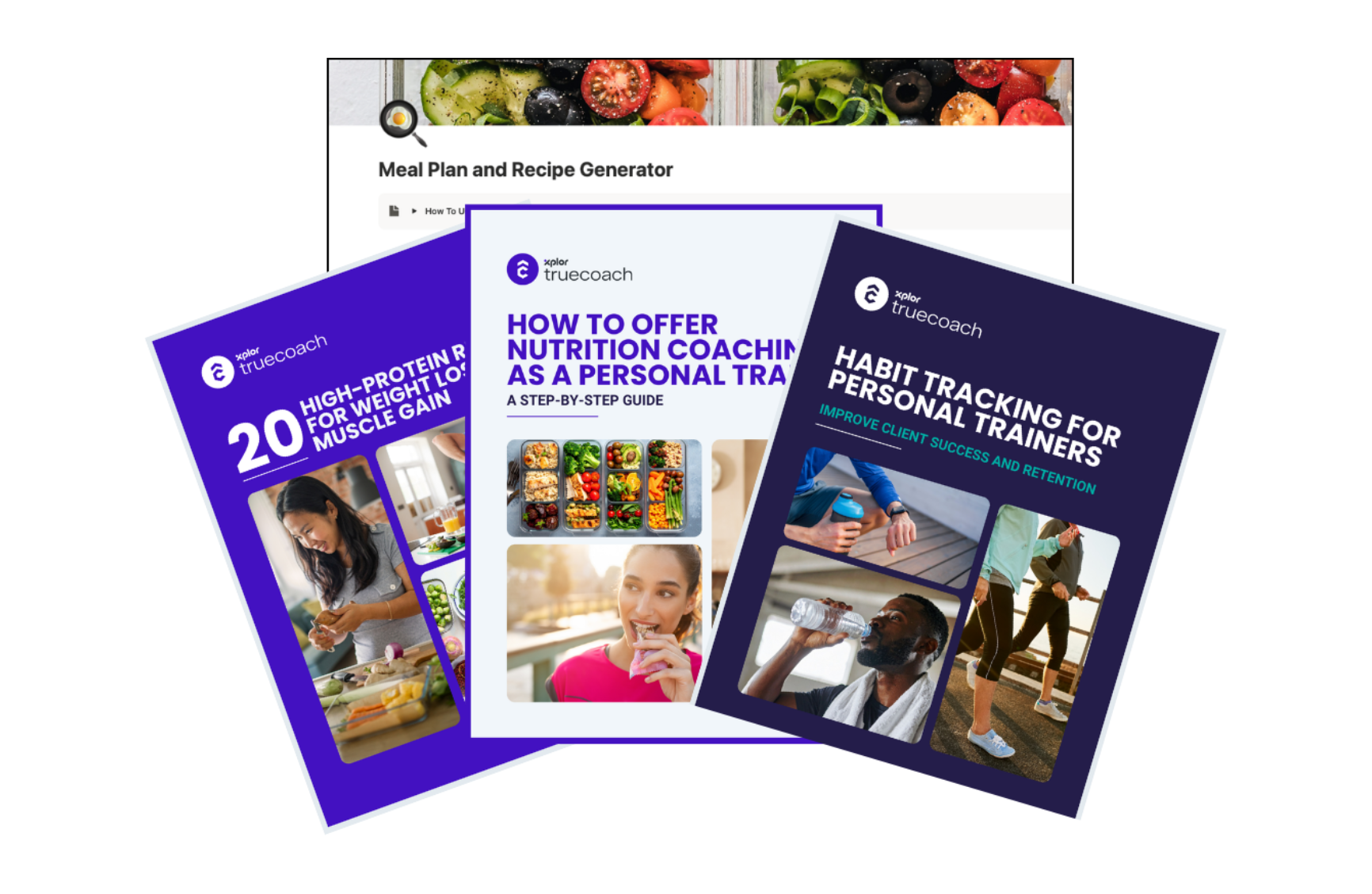
Download the Nutrition Coaching Resource Bundle for meal planning tools, guides on nutrition coaching for personal trainers, habit-building resources, and ready-to-use templates that help clients follow through and achieve better results.
The Connection Between Meal Planning and Consistency
One of the most important lessons coaches can teach clients is that consistency matters more than perfection.
Many clients fall into an all-or-nothing mindset. If they have one off-plan meal or miss a nutrition target, they assume the entire week is ruined.
Meal planning helps prevent this cycle.
When a plan already exists, it’s easier to return to healthy habits after a setback. Instead of feeling lost after a less-than-perfect day, clients simply continue following their next planned meal.
This creates a more sustainable approach to nutrition.
A client who follows a solid meal plan 80 percent of the time will almost always outperform someone who follows a perfect plan for a few days before giving up entirely.
Consistency builds momentum. Momentum produces results.
Simple Meal Planning Strategies Trainers Can Use With Clients
Personal trainers don’t need to create highly detailed meal plans to improve accountability.
In many cases, simple systems are more effective because they’re easier for clients to maintain.
Start With Weekly Planning
Encourage clients to spend a few minutes each week planning upcoming meals.
This process should include:
- Reviewing the upcoming schedule
- Identifying busy days
- Planning meals around commitments
- Creating a grocery list
Weekly planning helps clients anticipate challenges before they occur.
Focus on Repeatable Meals
Many clients believe every meal needs to be different.
In reality, having a handful of go-to meals can dramatically improve consistency.
Repeatable meals offer several benefits:
- Simpler grocery shopping
- Faster meal preparation
- Less decision-making
- More predictable nutrition intake
Consistency often comes from simplicity.
Prioritize Protein
Protein is one of the most important nutrition targets for active individuals.
Adequate protein intake supports:
- Muscle recovery
- Lean muscle retention
- Satiety and appetite control
- Performance goals
Helping clients build meals around protein-rich foods can improve both nutrition quality and adherence.
Build Flexible Frameworks
Rigid meal plans aren’t always necessary and may even reduce long-term adherence.
Instead, consider teaching flexible meal structures such as:
- Protein + vegetable + carbohydrate
- Protein + fruit + healthy fat
- Portion-based meal templates
These frameworks provide guidance while allowing clients to make choices that fit their preferences and lifestyles.
Plan for Obstacles
Successful meal planning isn’t about creating perfect weeks.
It’s about preparing for imperfect ones.
Encourage clients to identify potential challenges such as:
- Business travel
- Family events
- Weekend gatherings
- Restaurant meals
- Busy workdays
Planning for these situations helps clients maintain progress even when life becomes unpredictable.
How Coaches Can Create Accountability Around Meal Planning
Meal planning becomes significantly more effective when paired with ongoing coaching support.
Weekly Check-Ins
Regular check-ins help clients reflect on their progress and identify areas for improvement.
Useful questions include:
- Did you follow your meal plan this week?
- What went well?
- What challenges did you encounter?
- What adjustments should we make next week?
These conversations create accountability without making clients feel judged.
Habit Tracking
Tracking simple nutrition behaviors can reinforce consistency.
Examples include:
- Meal prep completion
- Daily protein intake
- Water consumption
- Fruit and vegetable intake
- Consistent meal timing
Tracking habits keeps attention on actions rather than outcomes alone.
Progress Reviews
When reviewing progress, start with behaviors before discussing results.
For example:
Instead of asking, “Why didn’t you lose weight this week?”
Ask:
- How consistently did you follow your meal plan?
- Did you hit your protein goal?
- How many meals did you prepare in advance?
This approach helps clients connect their daily actions to long-term outcomes and builds confidence through small wins.
Common Meal Planning Mistakes That Hurt Accountability
Even well-intentioned meal plans can become counterproductive if they’re unrealistic.
Mistake #1: Creating Overly Restrictive Plans
Plans that eliminate favorite foods or require extreme discipline are rarely sustainable.
The best meal plan is one a client can actually follow.
Mistake #2: Trying to Be Perfect
Perfection creates pressure.
Clients who believe they must follow a plan perfectly often become discouraged after minor setbacks.
Progress comes from consistency, not flawless execution.
Mistake #3: Ignoring Client Preferences
A meal plan should fit a client’s lifestyle, schedule, culture, and food preferences.
If clients dislike the foods included in their plan, adherence will suffer.
Mistake #4: Focusing Only on Calories
Calories matter, but accountability is built through habits.
Meal planning should also emphasize:
- Food quality
- Protein intake
- Consistency
- Preparation habits
- Long-term sustainability
How TrueCoach Helps Trainers Deliver Better Nutrition Accountability
As trainers expand beyond workouts and into fitness and nutrition coachin, organization becomes increasingly important.
Managing nutrition conversations, habit tracking, workout programs, and client communication across multiple tools can create unnecessary complexity.
TrueCoach helps coaches bring everything together in one place.
With TrueCoach, coaches can:
- Track nutrition habits alongside workout programs
- Monitor client adherence and progress
- Set nutrition-related habits and goals
- Review behaviors during weekly check-ins
- Keep nutrition and fitness coaching connected
- Deliver a more complete coaching experience
Rather than focusing solely on workouts, coaches can support the behaviors that drive results outside the gym as well.
This creates more accountability, more coaching touchpoints, and ultimately better outcomes for clients.
Final Thoughts
Most clients struggle because they lack a system that helps them consistently apply nutrition knowledge into their day-to-day lives. Meal planning provides that system.By creating structure, reducing decision fatigue, and focusing attention on daily behaviors, meal planning helps clients stay accountable and maintain consistency over time.
For personal trainers, it also creates more opportunities to coach, support, and guide clients beyond the workout itself.The most effective coaching programs recognize that results come from more than exercise alone. They combine fitness, nutrition, habits, and accountability into a complete client experience.
Want to deliver stronger nutrition accountability without adding complexity to your coaching?
Download the Nutrition Coaching Resource Bundle and see how TrueCoach helps you combine workouts, nutrition habits, and client accountability in one platform.
Download the Nutrition Coaching Bundle
Sign-Up for Our Newsletter