

Your Black Friday promotion went well.
You’ve had some new sign-ups, filled a few coaching spots, and maybe even reconnected with clients you haven’t worked with for a while.
That’s a good result.
But now comes the part that matters just as much.
What happens when those clients reach the end of their first coaching package?
If someone signed up for eight or 12 weeks of coaching, you don’t want the first conversation about continuing to happen a few days before their package expires.
By then, they may have already decided what they’re going to do next.
The better approach is to think about retention from the beginning, rather than treating it as something to worry about when a client’s final session is approaching.
That doesn’t mean constantly trying to sell them another package.
It means giving them a good coaching experience, helping them recognise their progress, and making sure they understand what continued coaching could help them achieve.
Here’s how to approach it.
Start With the Right Expectations
When someone signs up through a Black Friday offer, they’re often thinking about what they’re getting for the promotional price.
Maybe it’s eight weeks of online coaching, a 12-week training package, or a bundle that includes additional support.
That’s understandable.
But before they get started, make sure they understand what the coaching relationship will actually look like.
For example:
- How often will their program be updated?
- What kind of communication and support is included?
- When will progress reviews take place?
- What are they expected to do between check-ins?
- What happens when their initial package ends?
That last question is worth addressing early.
You don’t need to ask someone to commit to another three months before they’ve completed their first workout.
But you can explain that you’ll review their progress towards the end of the package and talk about what makes sense for their next stage of training.
That way, continuing coaching is a natural part of the conversation rather than something that comes as a surprise.
And if your Black Friday offer has specific terms, make sure those are clear too. Clients should understand the standard pricing, package duration, and any renewal arrangements before they commit.
Give Them a Consistent Coaching Experience
A Black Friday client is still a coaching client.
They might have signed up through a special offer, but that shouldn’t mean they receive a less attentive experience than someone paying your standard rate.
They’ve chosen to work with you because they want help achieving something.
Your job is to deliver the coaching you’ve promised.
That means having their programs ready when you said they would be, following through on check-ins, and making adjustments when needed.
It sounds straightforward, but consistency can become harder when you’re managing more clients than usual.
For example, imagine you’ve brought in ten new clients through Black Friday.
That’s ten people who need programs, feedback, and regular attention, alongside everyone you’re already coaching.
If your systems aren’t organised, it’s easy for small things to slip.
A program update gets delayed. A message goes unanswered longer than usual. Someone misses a couple of workouts, and you don’t notice until the following week.
None of those things necessarily means you’re providing poor coaching.
But they can affect how supported a client feels.
Having a reliable way to manage your programs and communication helps you deliver a consistent experience, even when your client list grows.
And that consistency gives people a reason to feel confident about continuing with you.
Don’t Wait for Clients to Tell You They’re Struggling
Some clients are great at asking for help.
They’ll message you when an exercise doesn’t feel right, tell you when they’re struggling with motivation, or let you know if their schedule changes.
Others won’t.
They might miss a workout, then another, and gradually become less engaged without ever telling you what’s going on.
That’s why regular communication matters.
You don’t need to check in with every client every day.
But you do need a way to notice when someone’s training activity changes and make time for a conversation.
For example, if a client who normally completes four workouts a week suddenly stops logging sessions, it’s worth checking in.
You could send something as simple as:
Hey [First Name], just checking in. I noticed you haven’t had a chance to get your last couple of sessions done. How’s everything going? Anything we need to adjust this week?
You’re not telling them off.
You’re giving them an opportunity to explain what’s happening.
Maybe they’ve been travelling. Maybe work has been hectic. Or perhaps they’re finding the program more difficult than expected.
Once you understand the problem, you can work out what to do about it.
Sometimes that means adjusting their schedule. Other times, it might mean changing an exercise or helping them set a more realistic goal for the next couple of weeks.
The important thing is that clients know they can have those conversations with you.
Make Communication Manageable for You, Too
Regular communication shouldn’t mean spending every spare minute replying to messages.
Set clear expectations about when you’ll check in and how clients can reach you.
You might have a weekly progress review, a scheduled monthly call, or a regular message asking how training is going.
Whatever works for your coaching model, try to make it consistent.
With TrueCoach, you can keep client messages alongside their training programs and progress information, making it easier to stay connected without managing everything across separate apps.
Help Clients See How Far They’ve Come
Here’s something that can happen during a coaching program.
A client starts training, makes steady progress, and gradually gets used to their new routine.
They’re lifting more weight. Completing workouts more consistently. Feeling more comfortable with exercises that were unfamiliar a few weeks ago.
But because those improvements have happened gradually, they don’t necessarily notice them.
They might still be focused on a bigger goal they haven’t achieved yet.
That’s where your feedback can make a difference.
Instead of waiting until the end of their package to talk about results, help them recognise progress along the way.
And remember, progress isn’t always about a number on the scales or a new personal best.
It could be:
- Completing three workouts a week consistently.
- Increasing the weight they’re lifting.
- Improving exercise technique.
- Feeling more confident training independently.
- Returning to regular exercise after a long break.
- Finding a routine that fits around their work and family commitments.
Those improvements are worth acknowledging.
For example:
When we started, you were struggling to fit two sessions into your week. You’ve now completed three sessions a week for the last month. That’s a big improvement in consistency, and it’s giving us a good foundation to build on.
You’re helping the client connect their effort with the progress they’re making.
It’s also useful to revisit the goals they set when they first joined.
Are those goals still relevant? Have their priorities changed? Is there something new they’d like to work towards?
These conversations help clients understand the value of the coaching they’re receiving and what they might want to achieve next.
Start Talking About What’s Next Before Their Package Ends
One of the easiest mistakes to make is leaving the renewal conversation until the final week.
You send a message saying their package is almost finished and ask whether they’d like to sign up again.
Sometimes that works.
But it doesn’t give you much time to understand what they’re thinking or address any concerns.
Instead, build a progress review into the later part of their initial package.
The timing will depend on how long they’re working with you.
For example:
| Initial package | Suggested time for a progress and next-steps conversation |
|---|---|
| 4 weeks | Around the end of week 2 or beginning of week 3 |
| 8 weeks | Around weeks 5–6 |
| 12 weeks | Around weeks 9–10 |
These aren’t fixed rules. They’re simply opportunities to have the conversation before the package is almost over.
During the review, talk about what’s gone well, what they’ve found challenging, and what they’d like to achieve next.
You might ask:
- How are you feeling about your progress so far?
- What’s been working well for you?
- Is there anything you’d like us to change?
- What would you like to focus on over the next couple of months?
- What kind of coaching support would be most useful going forward?
Once you’ve had that conversation, you can recommend an appropriate next step.
That might be another structured coaching package, a different level of support, or a change to their training approach.
And if they don’t want to continue, that’s okay too.
You can still make sure they finish their package with a positive experience.
Give Clients a Clear Reason to Continue
If someone’s enjoyed their first eight weeks of coaching, that doesn’t automatically mean they’ll sign up for another eight.
They still need to understand what they’re working towards.
This is where having a plan for the next stage of training can help.
Let’s say a client joined through your Black Friday promotion because they wanted to get back into a consistent strength training routine.
During their first eight weeks, they’ve built that consistency and become more confident with their workouts.
Great.
Now you can talk about what comes next.
Maybe they’re ready to work towards specific strength goals. Maybe they want to increase their training frequency. Or perhaps they need help maintaining their routine through a particularly busy period.
The next package should reflect where they are now, rather than simply repeating what they’ve already completed.
You could explain it like this:
You’ve done a really good job building consistency over the last eight weeks. Now that you’ve got a routine that works, I think we can start focusing more on your strength goals.
If you’d like to keep going, we can build on what you’ve already achieved and adjust your program for the next stage.
That’s a much more useful conversation than simply asking whether they want to renew.
You’re giving them a clear picture of how continued coaching could support their goals.
Of course, the recommendation still needs to be right for the client. Sometimes they may be ready to train more independently, or a different coaching arrangement might suit them better.

Make Continuing Easy
If a client decides they’d like to keep working with you, the next step should be straightforward.
They shouldn’t need to go through the entire onboarding process again or spend days waiting for their next program.
Make sure they know:
- What coaching options are available.
- What’s included in their next package.
- What the standard pricing and payment terms are.
- When their next program begins.
- Whether anything will change about their coaching arrangement.
It’s also worth preparing their next training phase before their current one finishes.
That helps maintain continuity and avoids an unnecessary gap between programs.
This is another area where having your coaching information in one place can make a difference.
With TrueCoach, you can continue delivering personalized programs, review previous workout performance, track progress over time, and communicate with clients as their training develops.
That makes it easier to build on the work you’ve already done together.
What If They Don’t Want to Continue?
Not every client who joins through a Black Friday offer will become a long-term client.
And that’s worth accepting from the beginning.
Some people may have signed up because they wanted support for a specific period. Others might decide that ongoing coaching doesn’t fit their budget or schedule.
There will also be clients who simply aren’t ready to commit to another package.
Rather than pushing them to continue, try to understand their decision.
You might ask:
No worries at all. Before we wrap up, I’d love to know how you found the coaching and whether there’s anything we could have done differently.
Their feedback might help you improve the experience for future clients.
And if they’ve had a positive experience, they may return when their circumstances change.
Make sure they know how to get back in touch, and respect their communication preferences.
A client choosing not to renew doesn’t automatically mean the promotion was unsuccessful.
They may still have achieved something valuable during their time with you.
Look at What Your Black Friday Promotion Actually Delivered
Once your promotional clients have completed their initial packages, take some time to review how things went.
It’s easy to focus on the number of people who signed up during Black Friday.
But that only tells you part of the story.
You’ll get a clearer picture by looking at what happened afterwards.
For example:
How many people signed up?
Look at the number of new and returning clients who purchased your offer.
How much revenue did the promotion generate?
Consider the revenue alongside any discounts, added services, and the time required to deliver the coaching.
How many clients completed their initial package?
Look for patterns in engagement and whether clients stayed active throughout their coaching period.
How many chose to continue?
This can help you understand how effectively your initial packages supported ongoing coaching relationships.
What feedback did you receive?
Think about what clients enjoyed, what they struggled with, and whether there were any recurring issues.
How manageable was the extra workload?
Did your onboarding process hold up? Were you able to maintain your usual communication and program delivery standards?
These answers can help you decide what to repeat and what to change before your next promotion.
You might discover that a smaller offer with fewer sign-ups was easier to manage and produced better ongoing results than a heavily discounted package.
Or perhaps your promotion attracted the right clients, but your onboarding process needs some attention.
Either way, you’ll have something useful to work with next time.
Make the Coaching Experience Worth Staying For
Black Friday can give people a reason to start working with you.
But once they’re signed up, the promotion becomes a much smaller part of the relationship.
What matters is whether they’re enjoying their training, making progress towards their goals, and getting the support they expected.
That comes from the everyday coaching experience.
Following through on what you’ve promised. Paying attention when someone’s struggling. Helping clients recognise their progress and understand what comes next.
And having systems that make it possible to deliver that experience consistently as your business grows.
If you’re looking for a simpler way to manage ongoing coaching, TrueCoach brings training programs, workout delivery, client messaging, and progress tracking together in one platform.
SEE HOW TRUECOACH SUPPORTS YOUR COACHING
When you’re ready to bring your systems together, start a free TrueCoach trial and see how a platform built specifically for coaches can help you manage your business as it grows.
Sign-Up for Our Newsletter
Recommended Resources For You
Resource
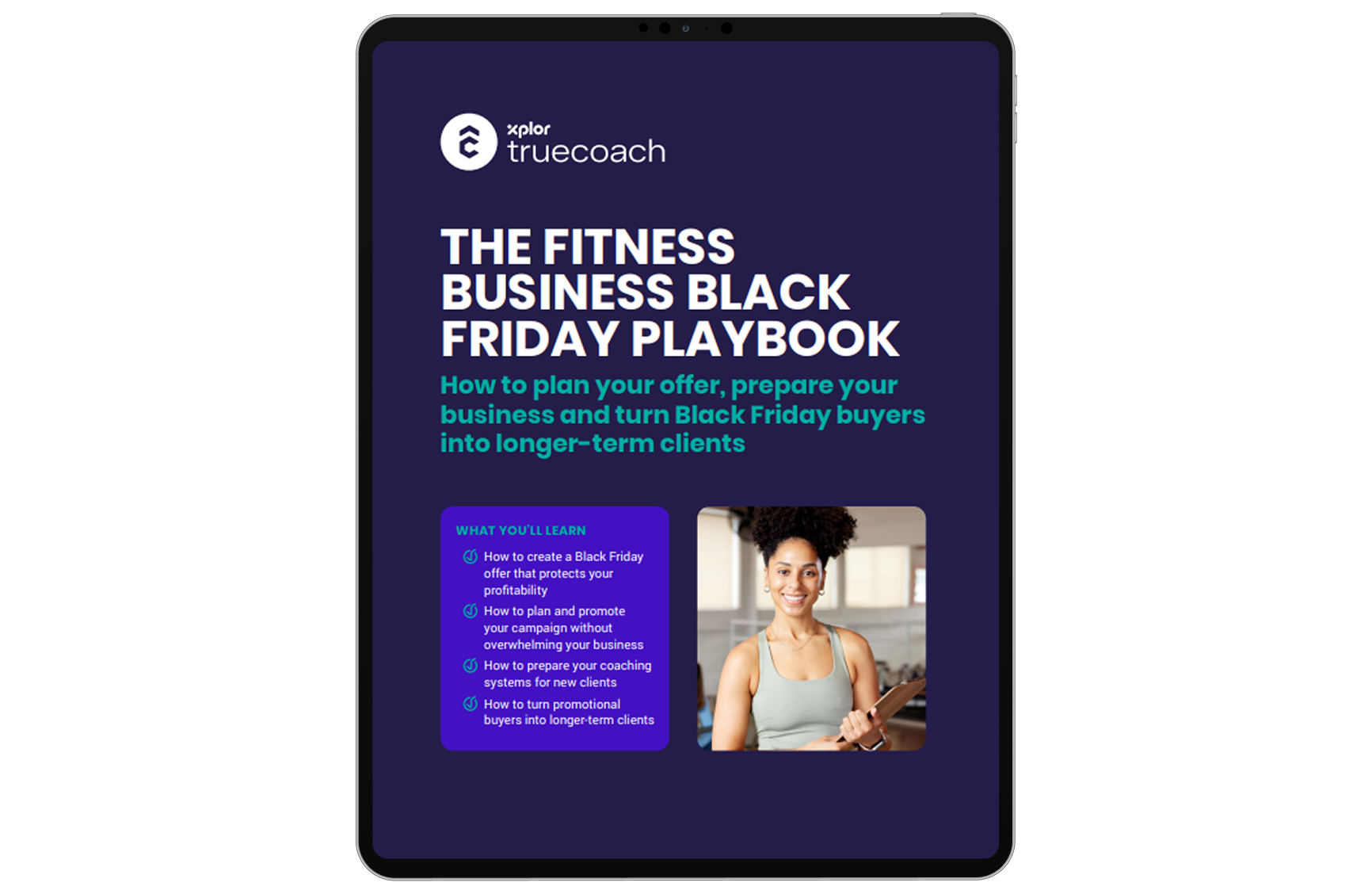
The Fitness Business Black Friday Playbook
Author: Toni Rennie
Running your coaching business across spreadsheets, messaging apps, and payment platforms can quickly become overwhelming as you grow. From Spreadsheet to System is a free guide that shows personal trainers how to simplify their workflow, build better business systems, and create a more organized coaching business that saves time and delivers a better client experience.
Resource
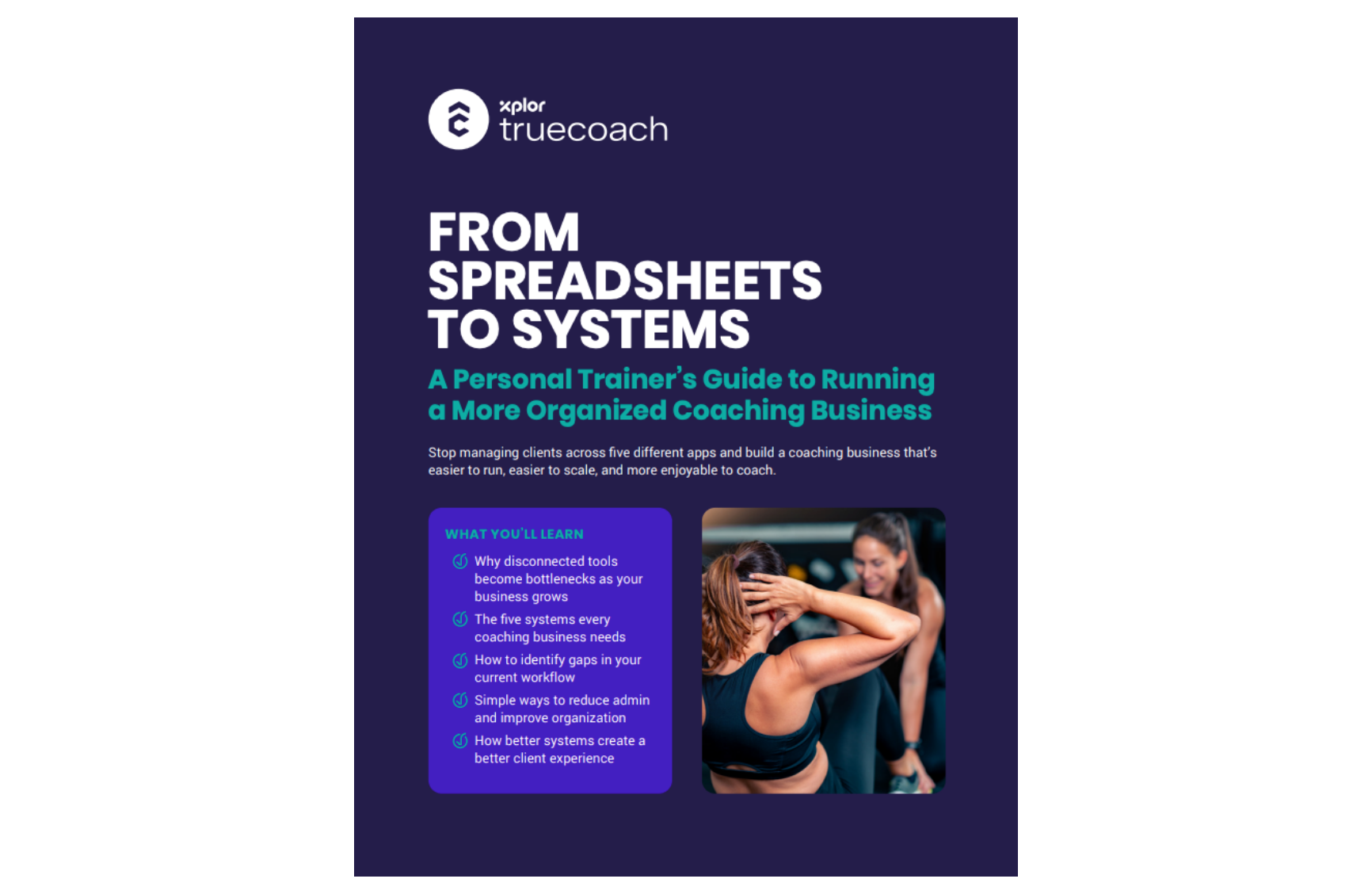
From Spreadsheets to Systems
Author: Clare Hudson
Running your coaching business across spreadsheets, messaging apps, and payment platforms can quickly become overwhelming as you grow. From Spreadsheet to System is a free guide that shows personal trainers how to simplify their workflow, build better business systems, and create a more organized coaching business that saves time and delivers a better client experience.
Resource
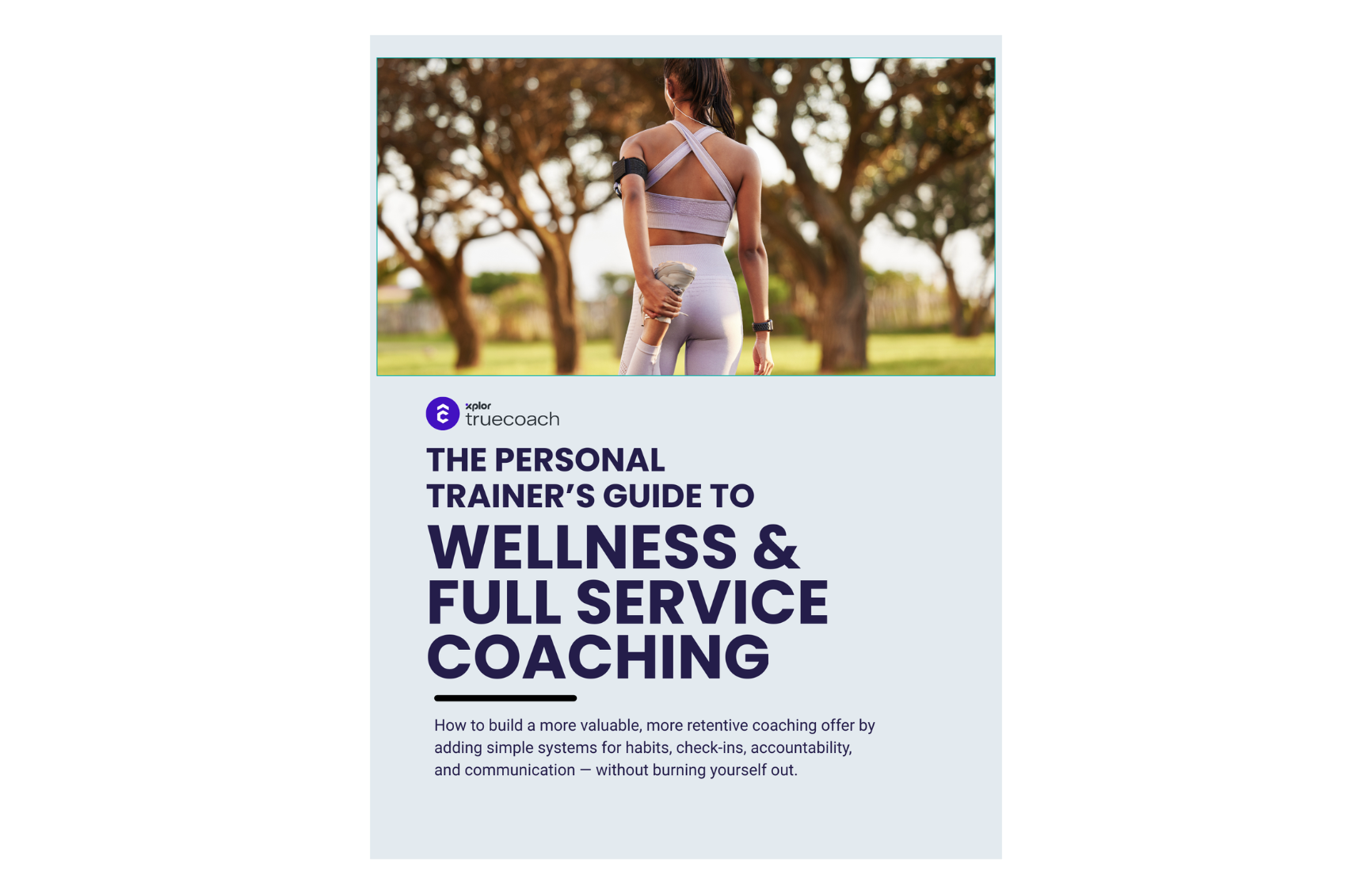
The Personal Trainer’s Guide to Wellness & Full-Service Coaching
Author: Clare Hudson
Learn how to expand into wellness coaching with practical systems that improve retention, strengthen client relationships, and create a higher-value coaching experience.

Author: Toni Rennie Growth Marketing Director
-
First published: November 28 2026
Written by: Toni Rennie